
Explainers
Practical guides to AI, payments, crypto, software and the systems behind digital life.

UUID v4 vs v7: Which to Use as a Database Key
UUID v7 starts with a timestamp, so new keys append to the index. A 10-million-row PostgreSQL test and its catch.

Q4_K_M vs Q5_K_M vs Q8_0: GGUF Quant Sizes Compared
Q4_K_M is 4.58 GiB, Q5_K_M 5.33 GiB on an 8B model: what the names mean and how much memory each needs.
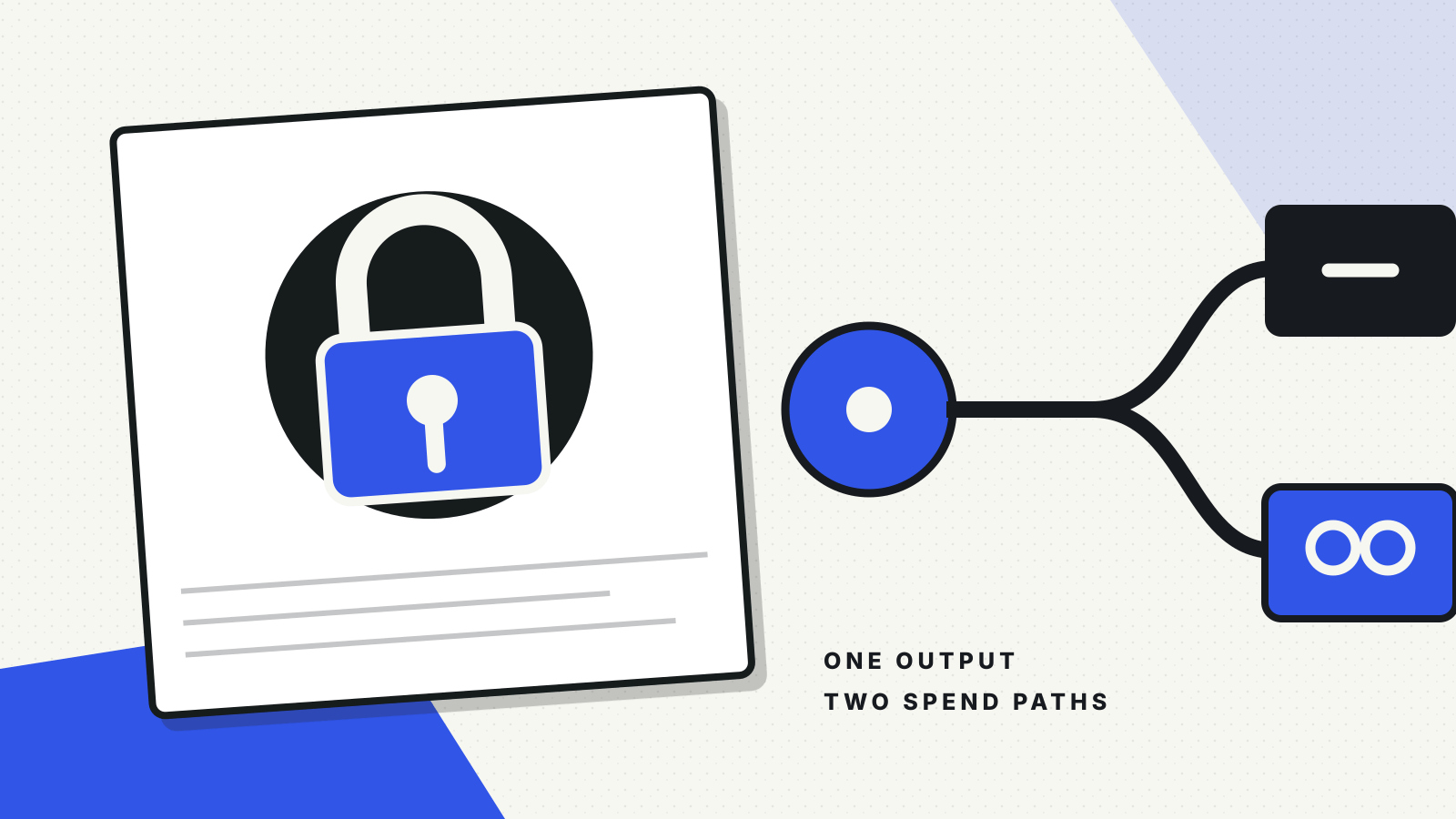
Taproot Key Path vs Script Path: What a Spend Reveals
See what Taproot key-path and script-path spends reveal, how their witnesses differ and why key path is usually smaller.
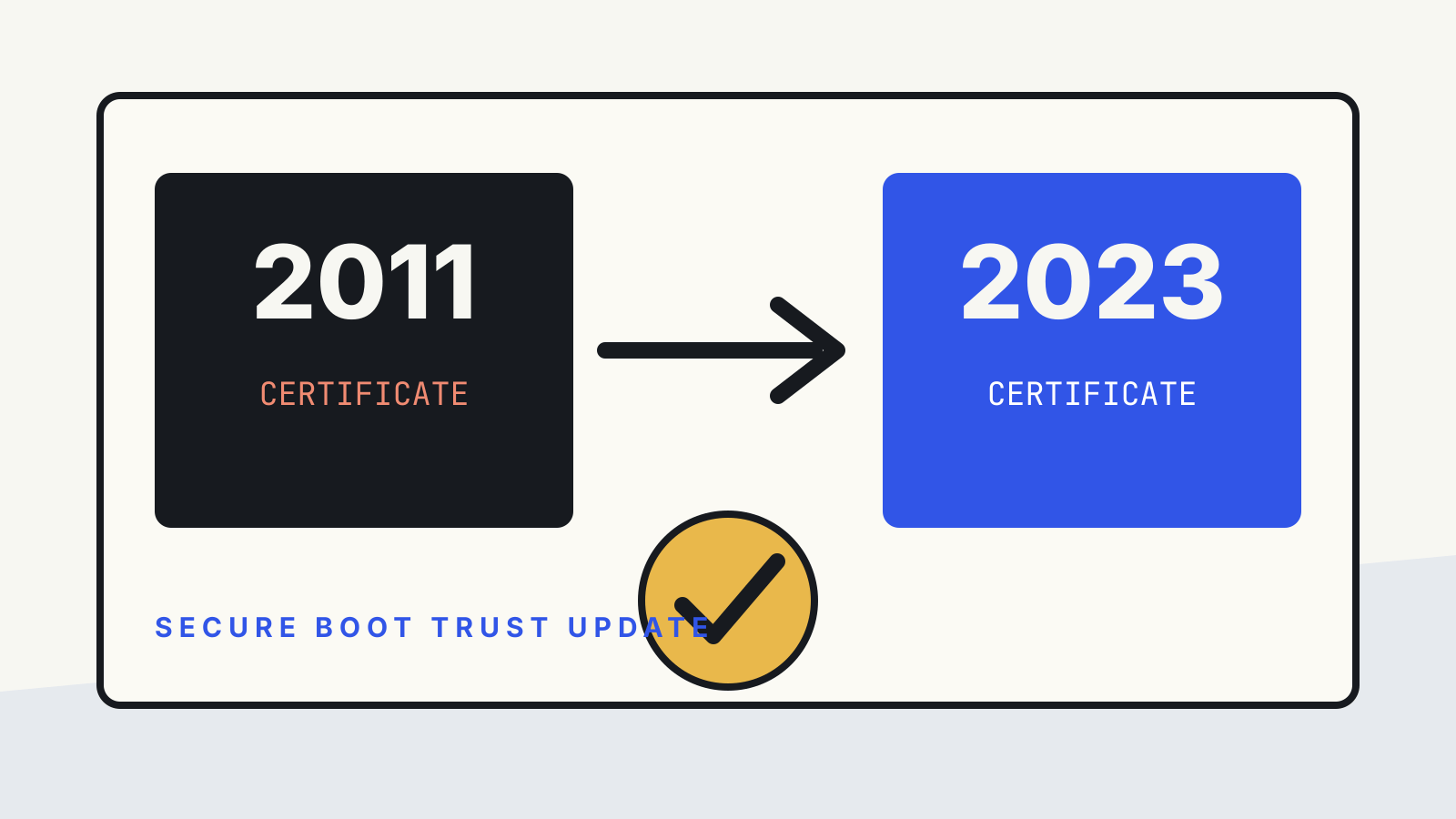
Secure Boot Certificates 2023: After the 2011 Expiry
What the 2023 Secure Boot certificate transition changes, how to find incomplete devices, and how to pilot remediation.

Payment Tokenization: How Network Tokens Replace PANs
Network tokens replace PANs with restricted payment credentials that can reach issuer authorization.
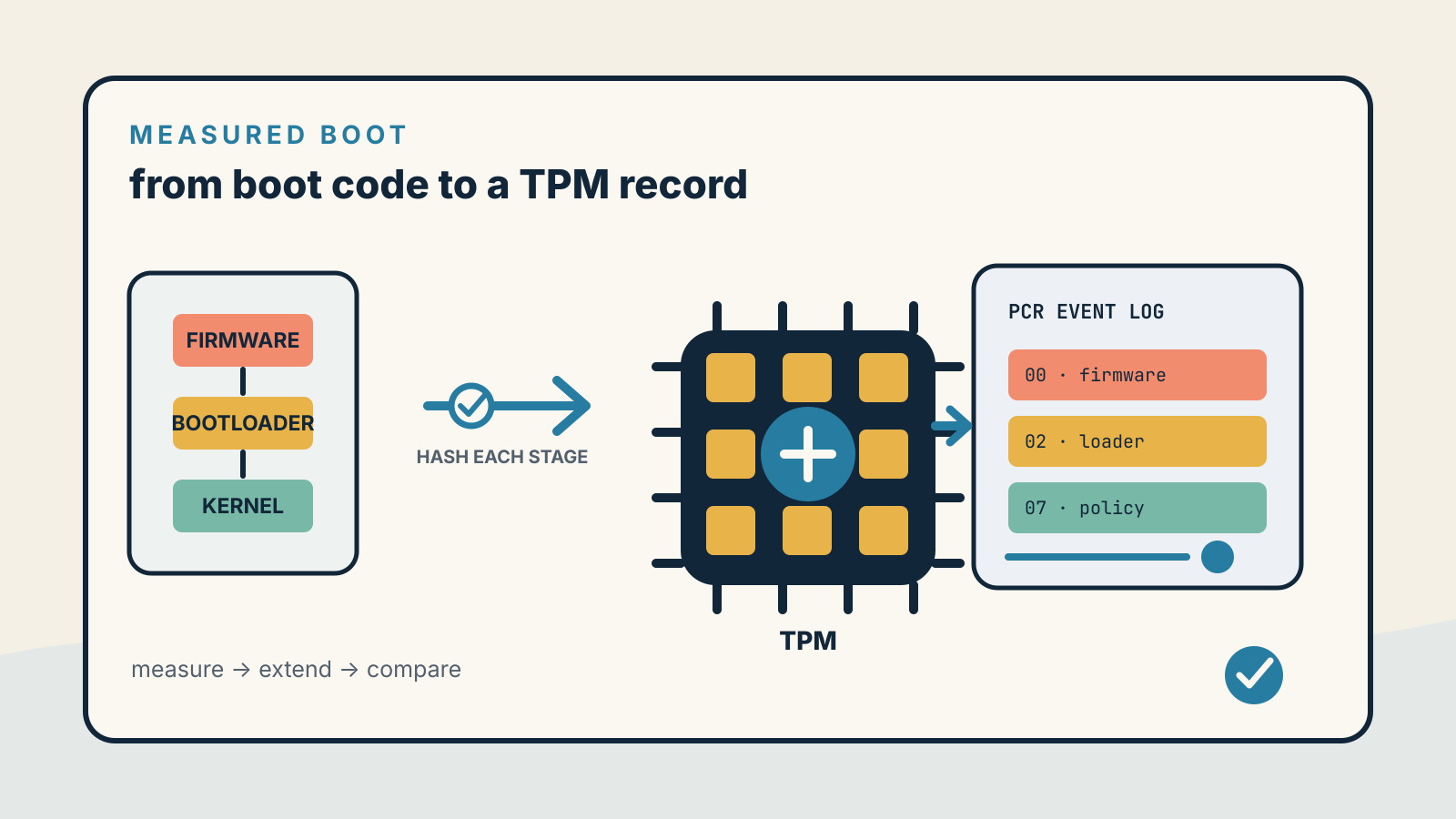
Measured Boot Explained: What the TPM Records
How Measured Boot extends startup hashes into TPM PCRs, uses an event log and supports remote attestation.
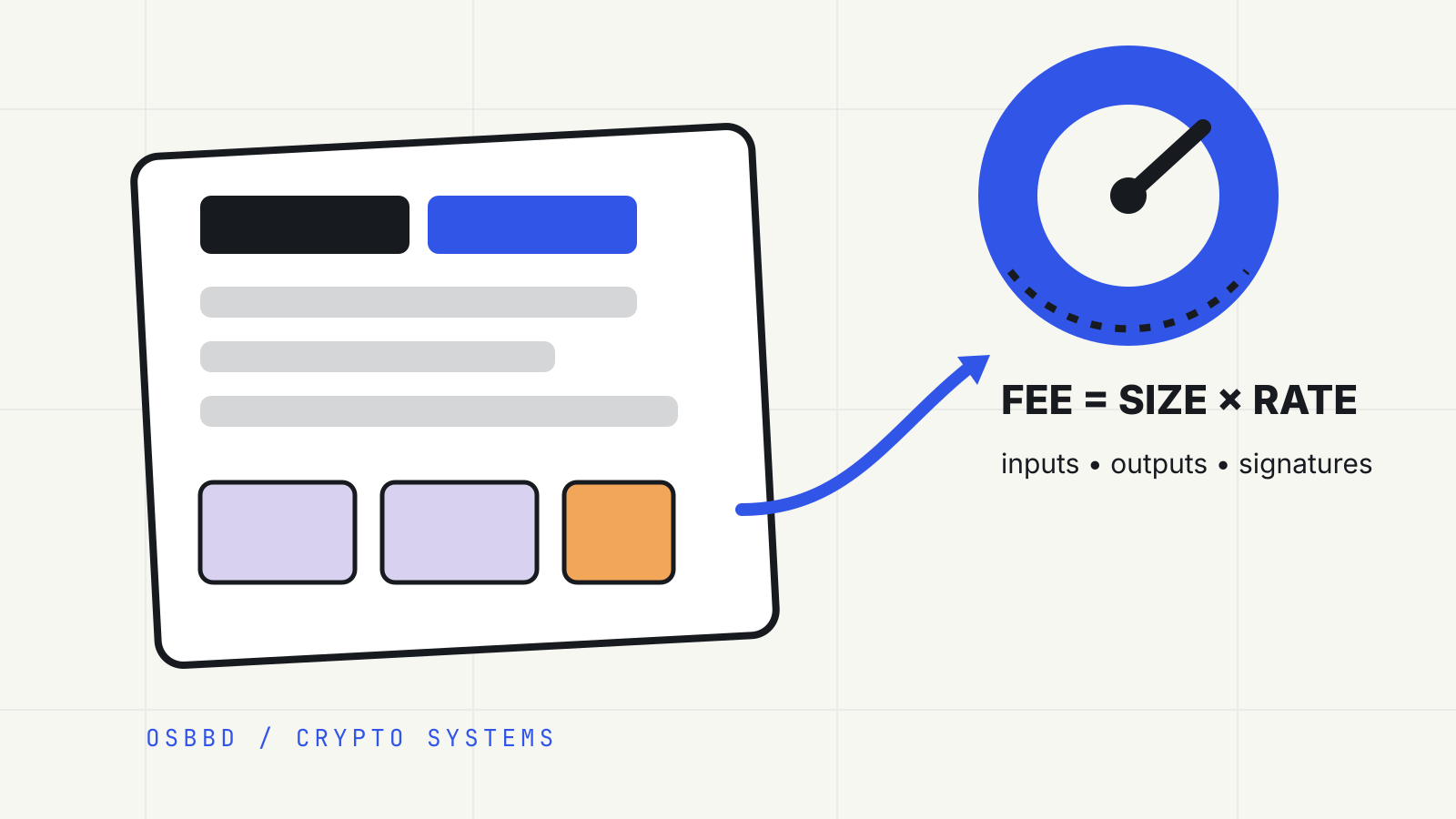
Does the Bitcoin Fee Depend on the Amount?
Bitcoin fees follow transaction size and fee rate. See why a small payment can cost more than a large one.
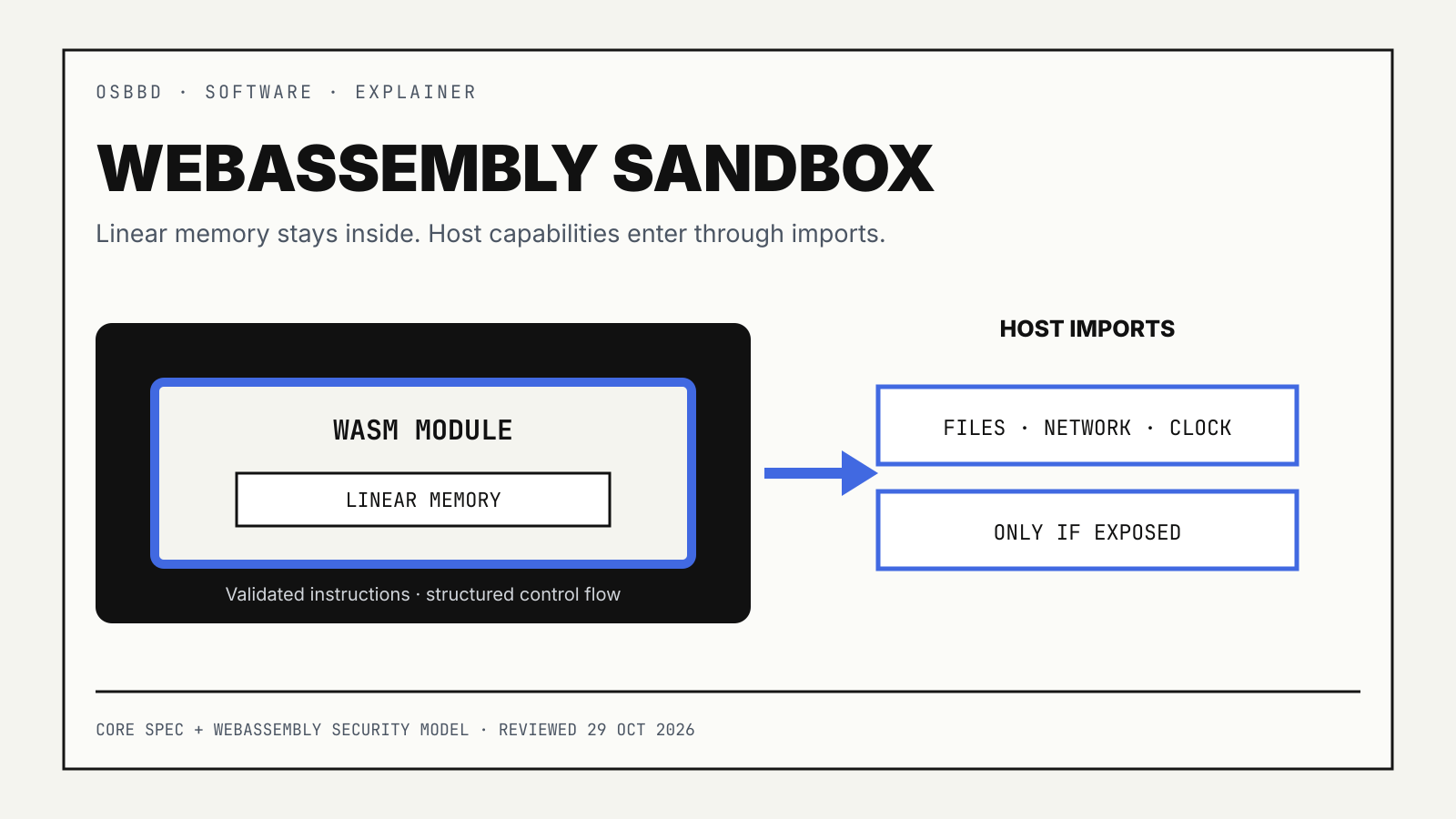
WebAssembly Sandbox Explained: Memory, Imports and Limits
How WebAssembly isolates linear memory, grants host capabilities through imports and where the sandbox ends.
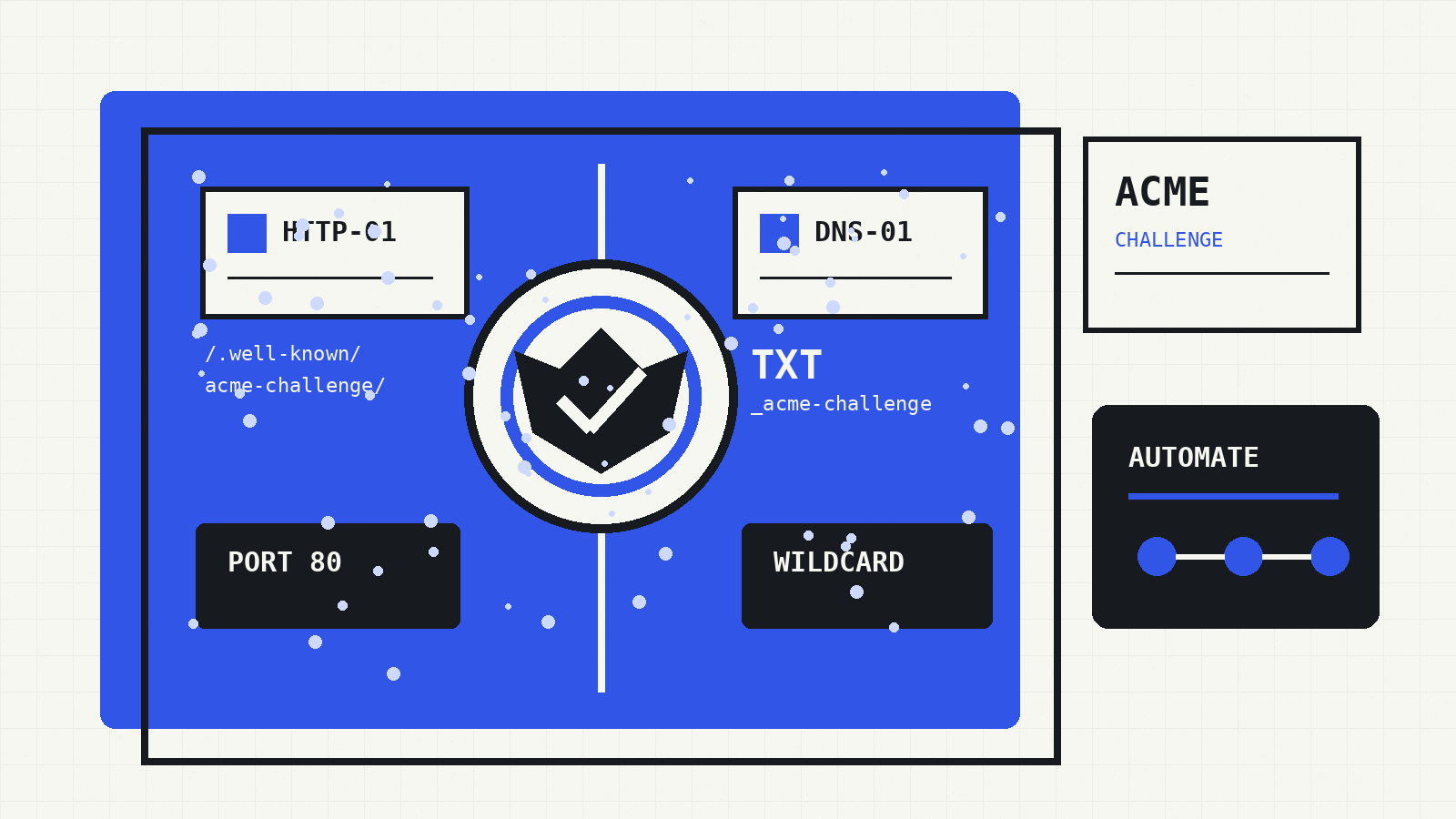
ACME DNS-01 vs HTTP-01: Choosing a Challenge
How ACME HTTP-01 and DNS-01 prove domain control, when wildcards require DNS, and where automation can fail.
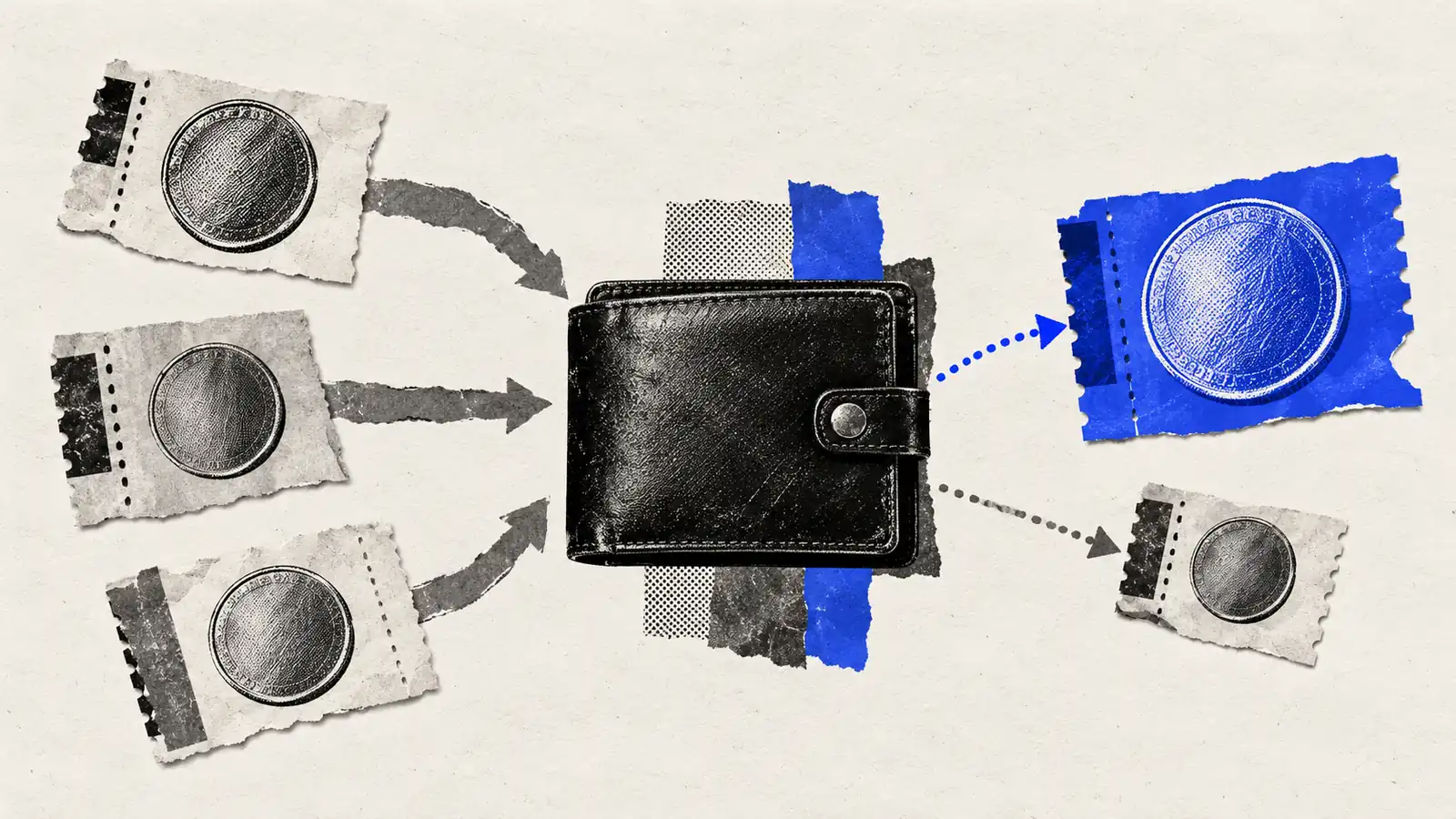
Bitcoin UTXOs Explained: Inputs, Outputs and Change
A Bitcoin balance is a set of unspent outputs. Learn how a wallet selects them, creates change and affects future fees.
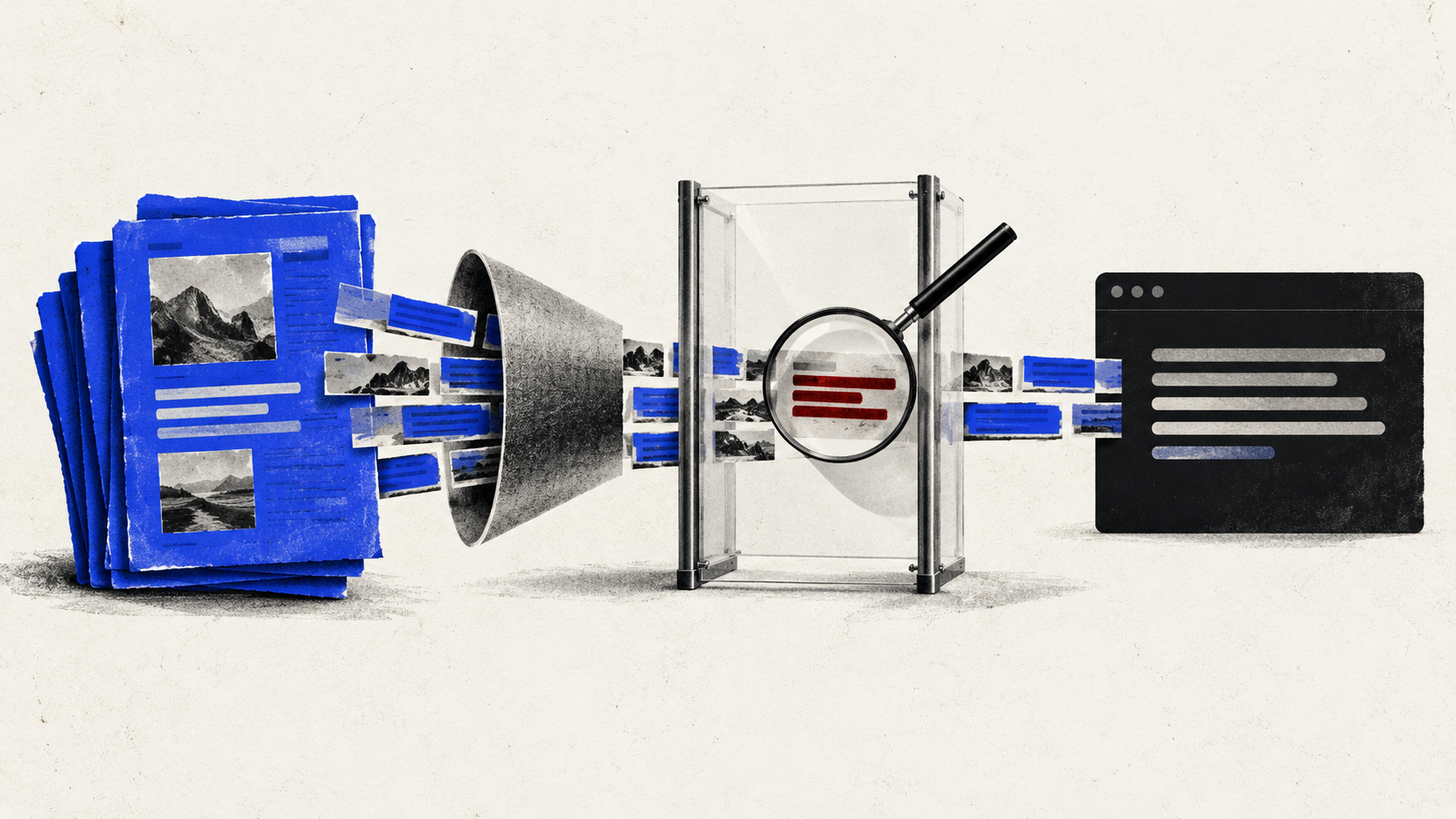
RAG Prompt Injection Defense: A Practical Guide
A practical defence model for indirect prompt injection across RAG ingestion, retrieval, model context and tool calls.
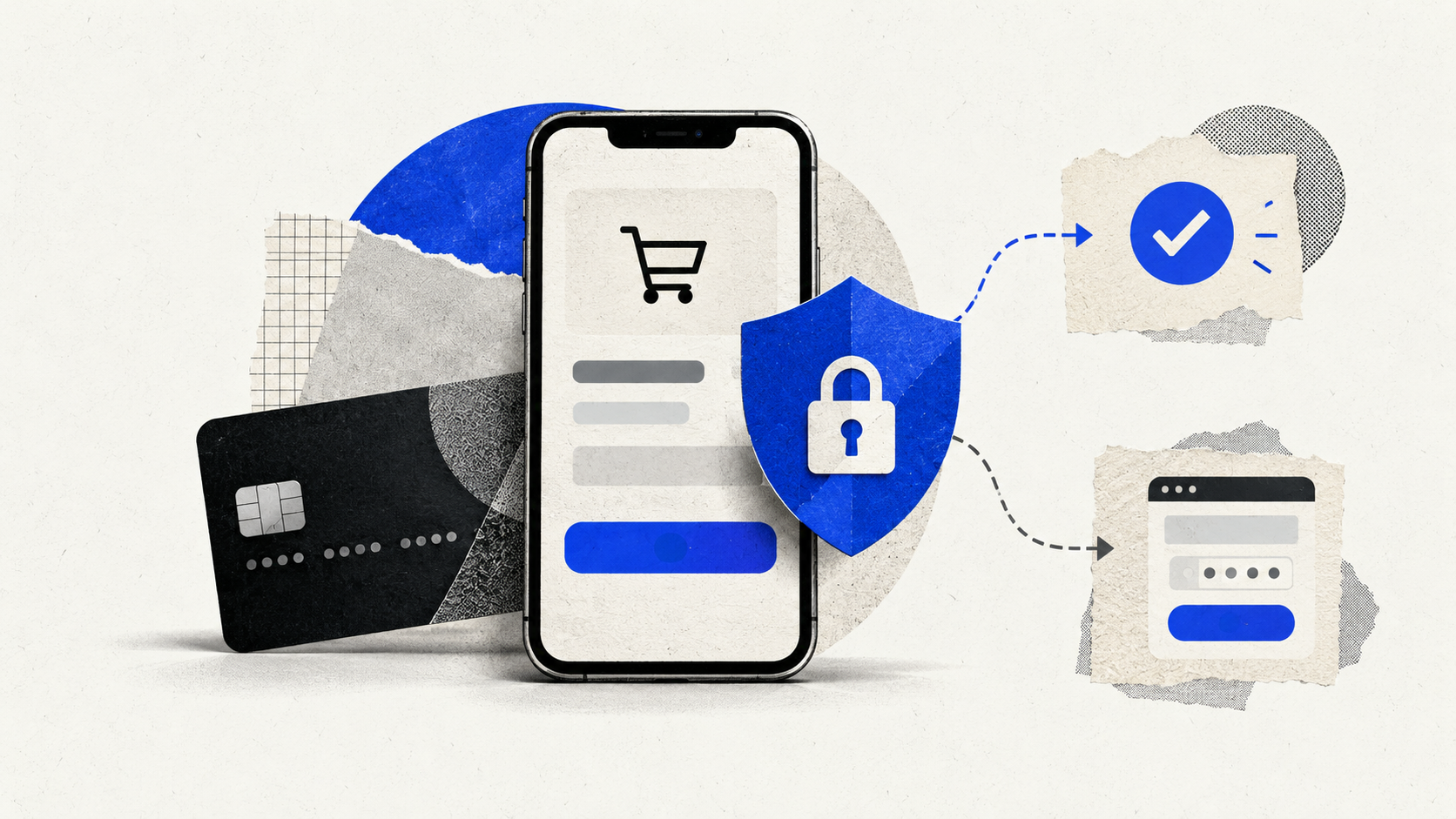
EMV 3-D Secure: Frictionless vs Challenge Flow
How EMV 3-D Secure decides between a silent risk check and a cardholder challenge, and what merchants must measure.

SLSA Build Provenance: What the Levels Actually Prove
What SLSA build provenance records, how Build L1–L3 differ and what verification policy still has to check.

OAuth PKCE: How the Authorization Code Proof Works
How PKCE binds an OAuth authorization code to one client request, what S256 does and which risks remain.
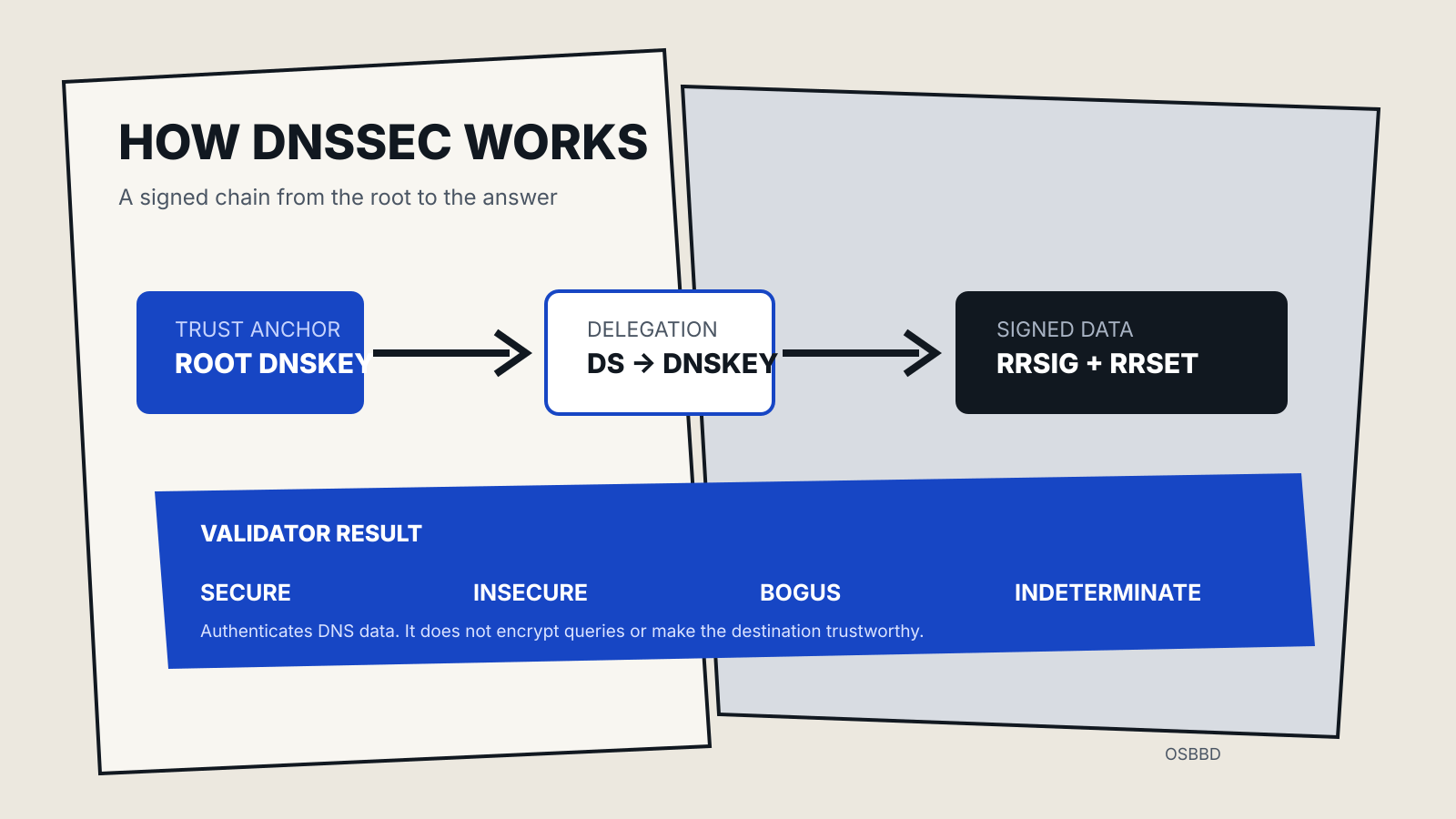
How DNSSEC Works: Signatures, Trust and Limits
How DNSSEC authenticates DNS answers through signatures, DS records and a chain of trust—and what it cannot protect.
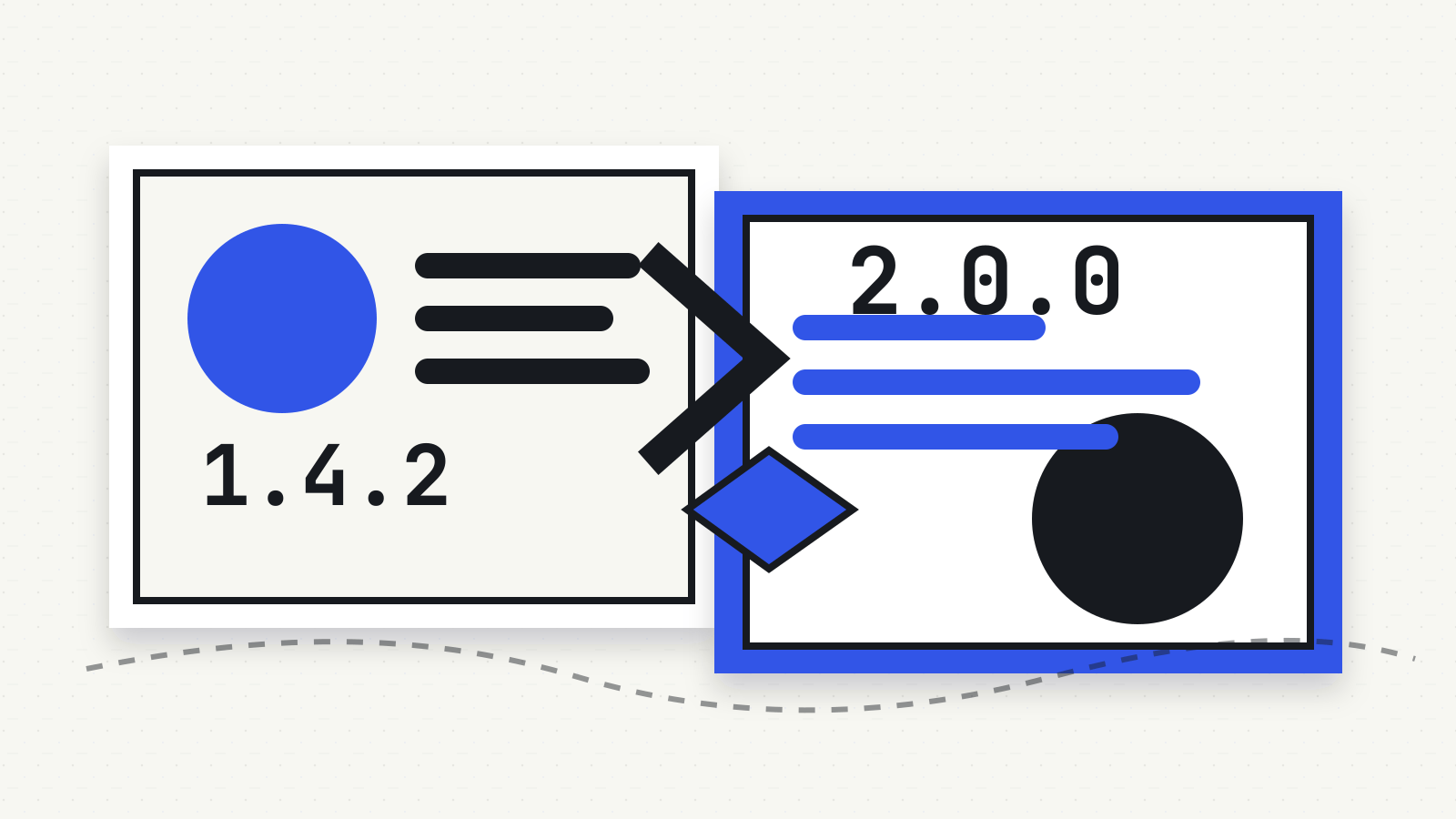
Semantic Versioning: What Major, Minor and Patch Mean
Semantic Versioning explains compatibility through major, minor and patch numbers. Learn pre-releases and metadata.

Local LLM vs API: Data Boundaries and Operating Work
Compare local inference and hosted APIs by data flow, permissions, fallback and the work needed to run them.
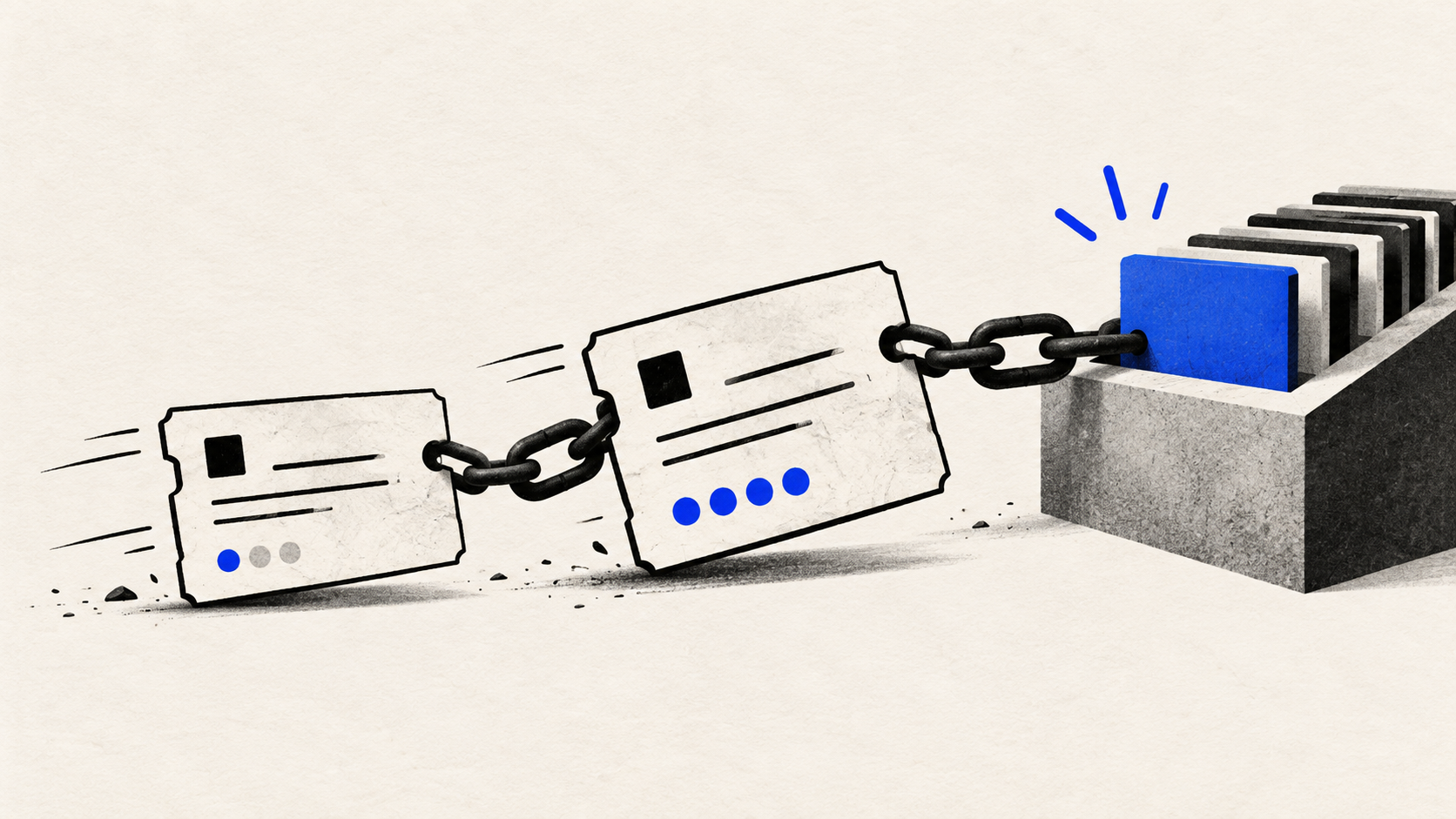
Bitcoin Child Pays for Parent (CPFP): How the Fee Bump Works
A CPFP child transaction can raise a parent's combined fee rate. See who can use it, the limits and wallet checks.
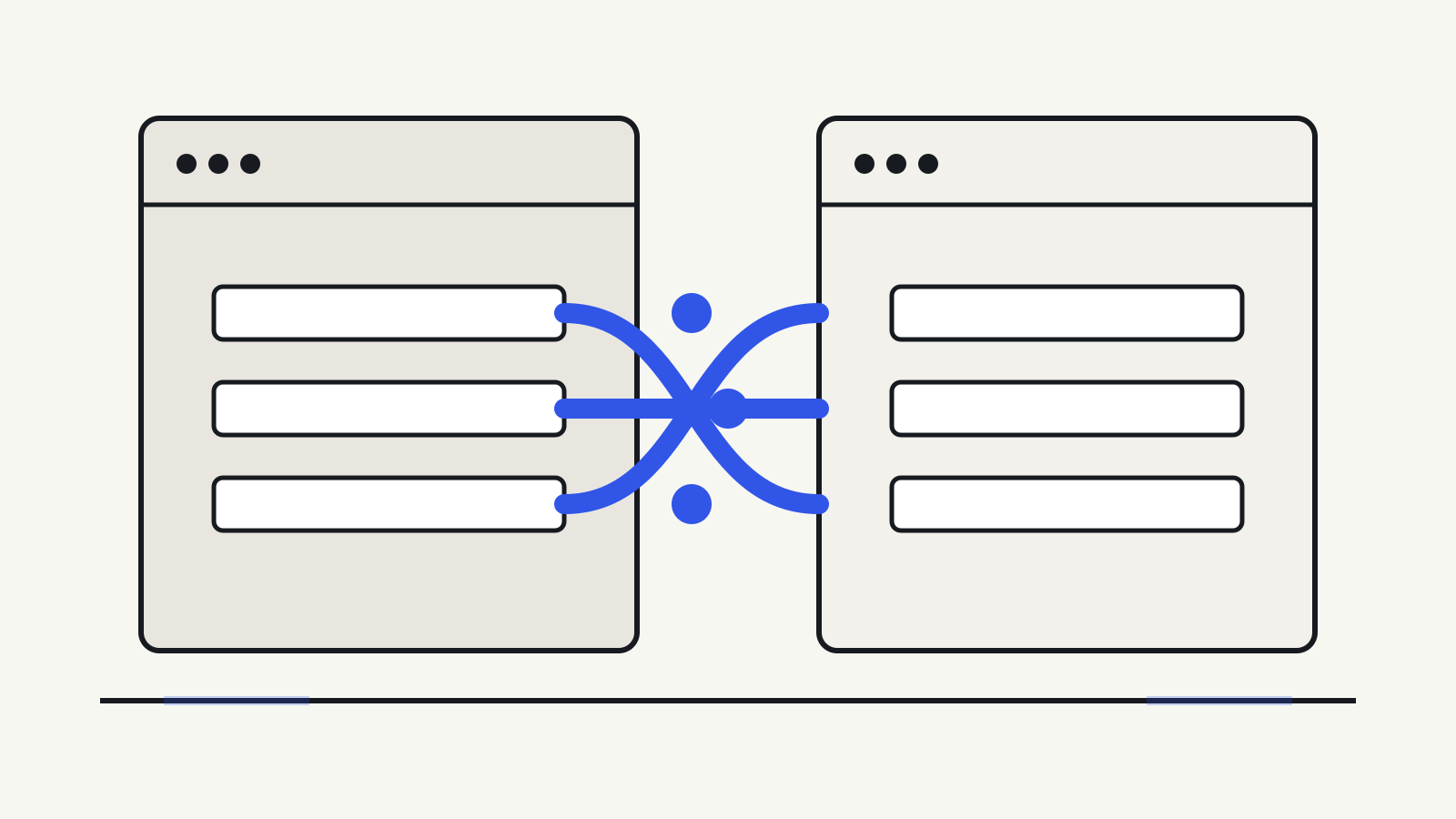
HTTP/3 vs HTTP/2: What QUIC Changes
HTTP/3 moves HTTP from TCP to QUIC. Compare setup, packet-loss behavior, migration and fallback.

FedNow Request for Payment: What Happens Before the Transfer
A FedNow payment request asks for approval. Money moves only after a separate instant credit transfer.
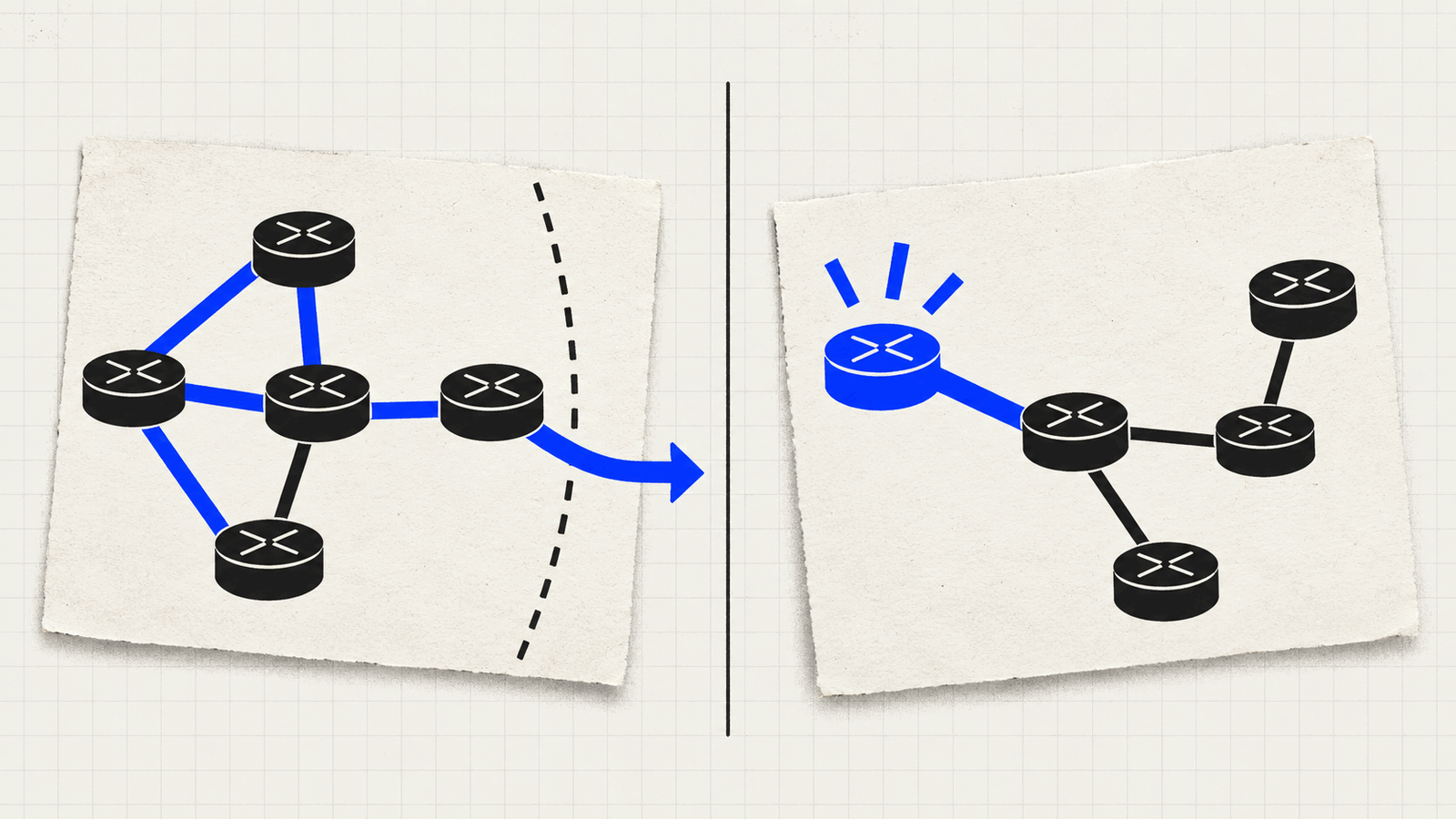
BGP Route Leaks vs Hijacks: What Actually Changed
The labels overlap. Diagnose the origin, AS path and export policy before choosing a fix.

Bitcoin Block Weight vs Block Size: What the Numbers Mean
Block weight is Bitcoin’s consensus limit; raw bytes and virtual size describe related but different measurements.
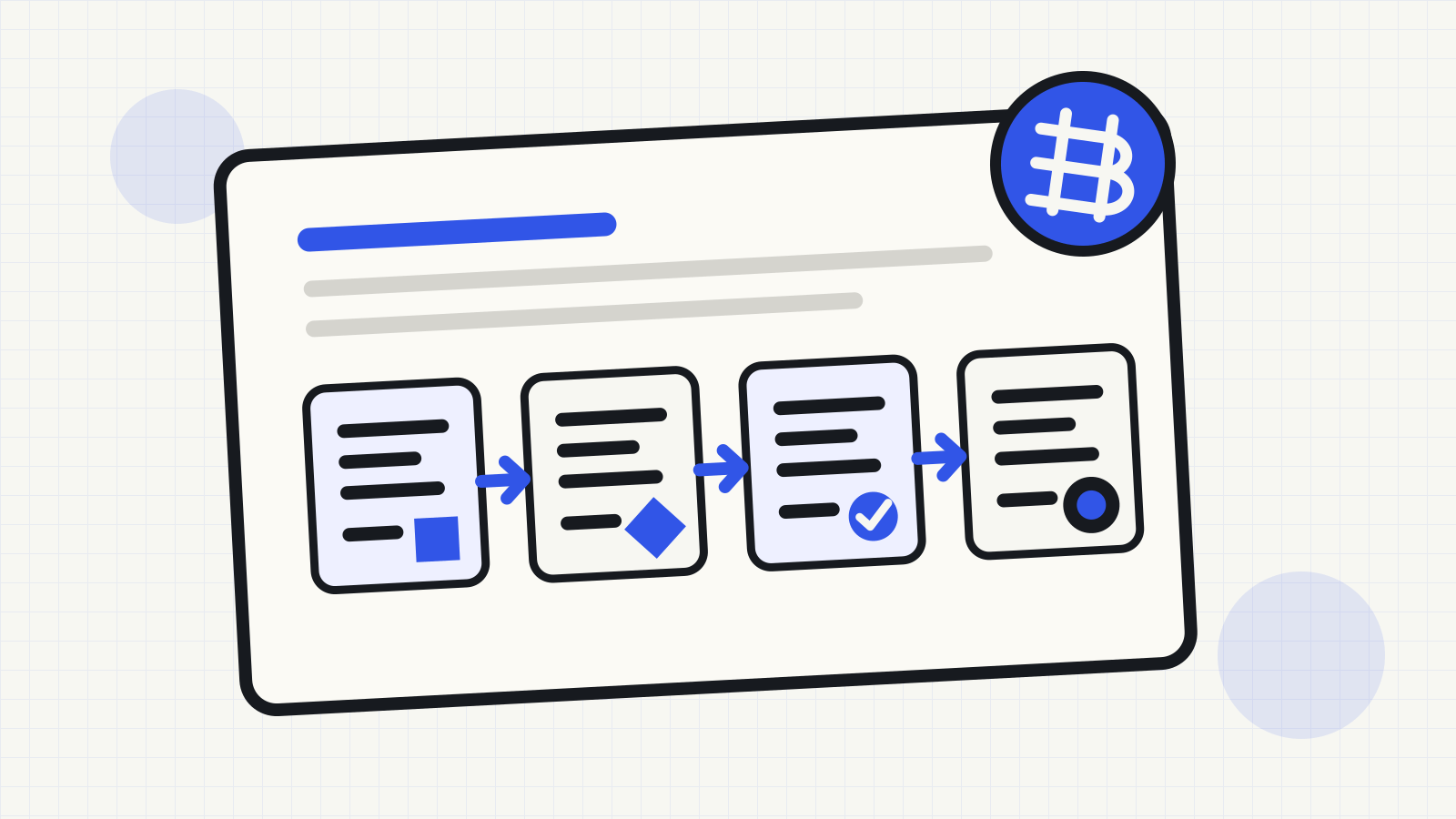
Bitcoin Address Types: Legacy to Taproot
Bitcoin address types identify Legacy, wrapped SegWit, Native SegWit and Taproot destinations.
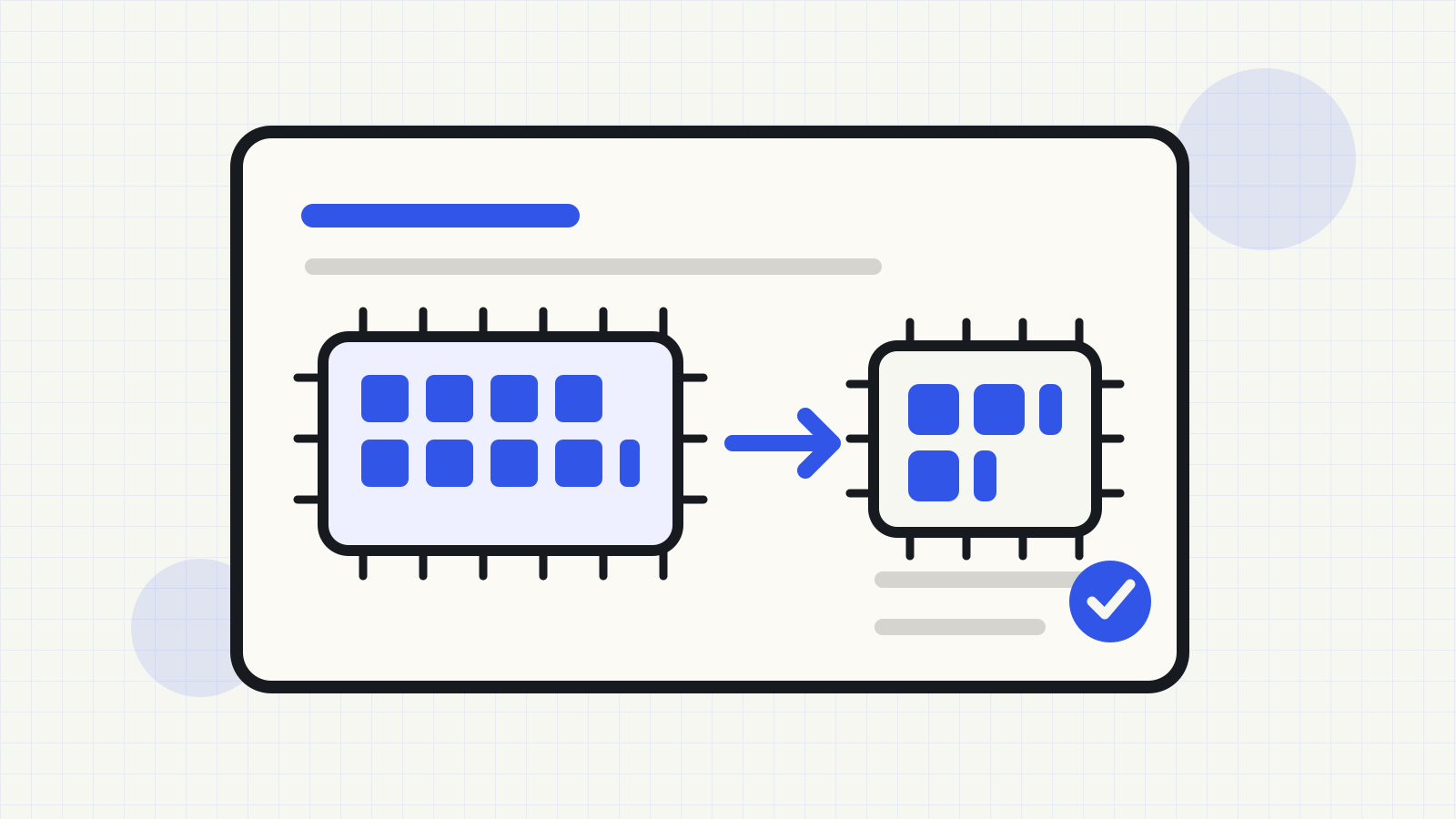
Model Precision Formats for Local AI
Model precision formats shape weight memory, compute compatibility and numerical behaviour in local AI.