Explainers
Practical guides to AI, payments, crypto, software and the systems behind digital life.
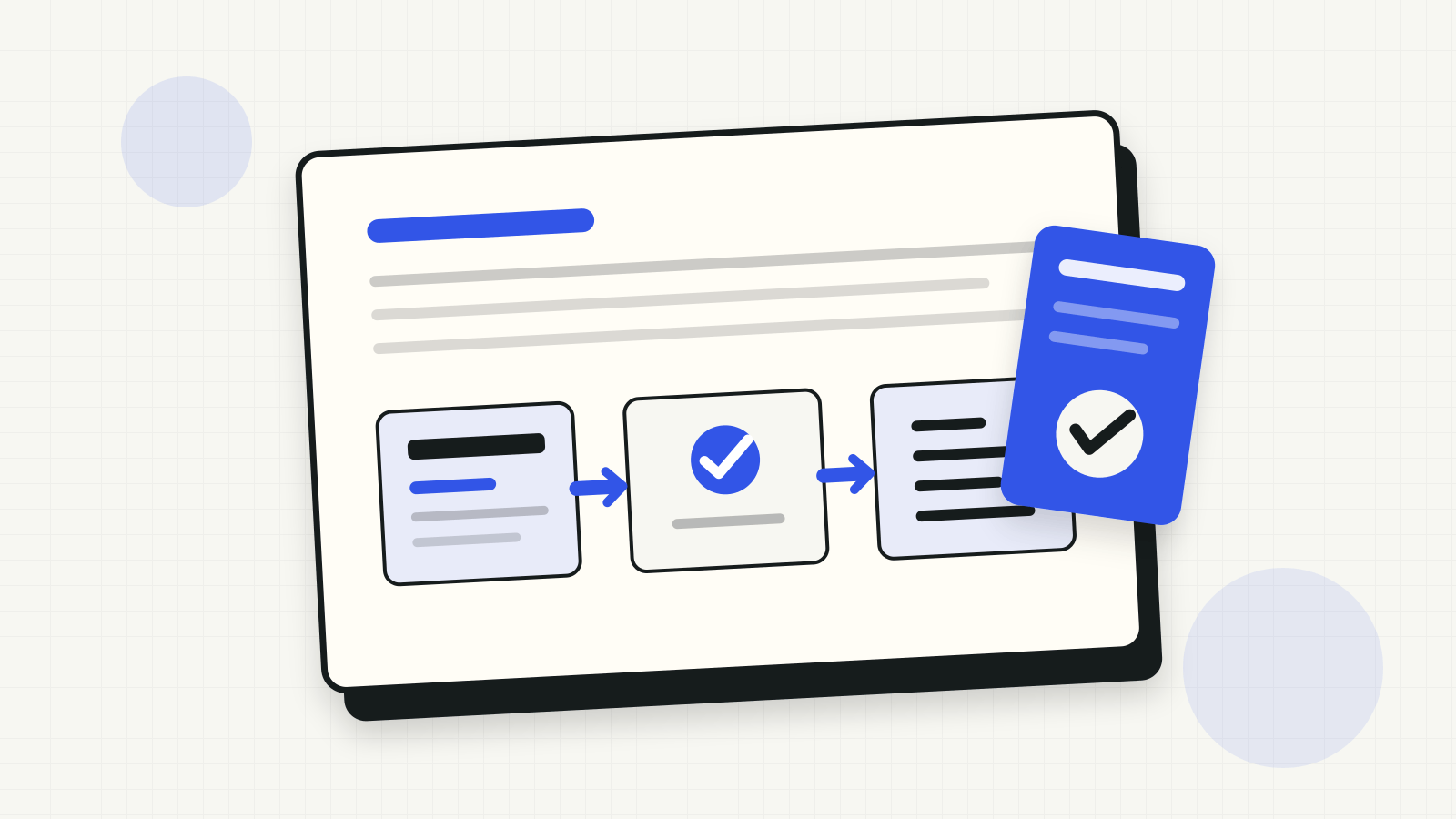
ISO 20022 Payment Messages: What the Standard Changes
ISO 20022 structures payment data, but it does not move money or make transfers instant.
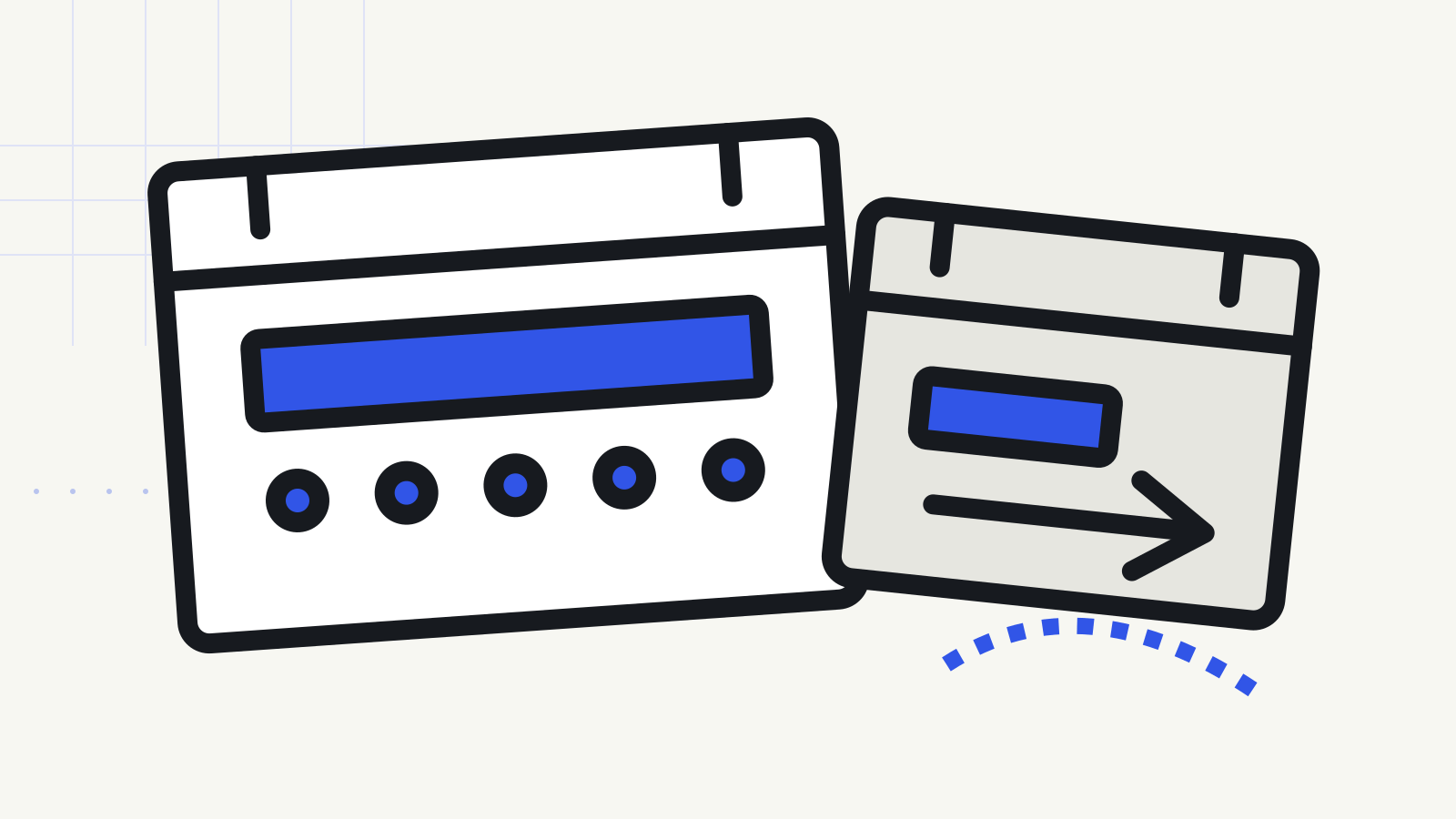
Ubuntu LTS vs Interim Releases: Support Windows
How Ubuntu LTS and interim releases differ in support length, upgrade pace and operational trade-offs.
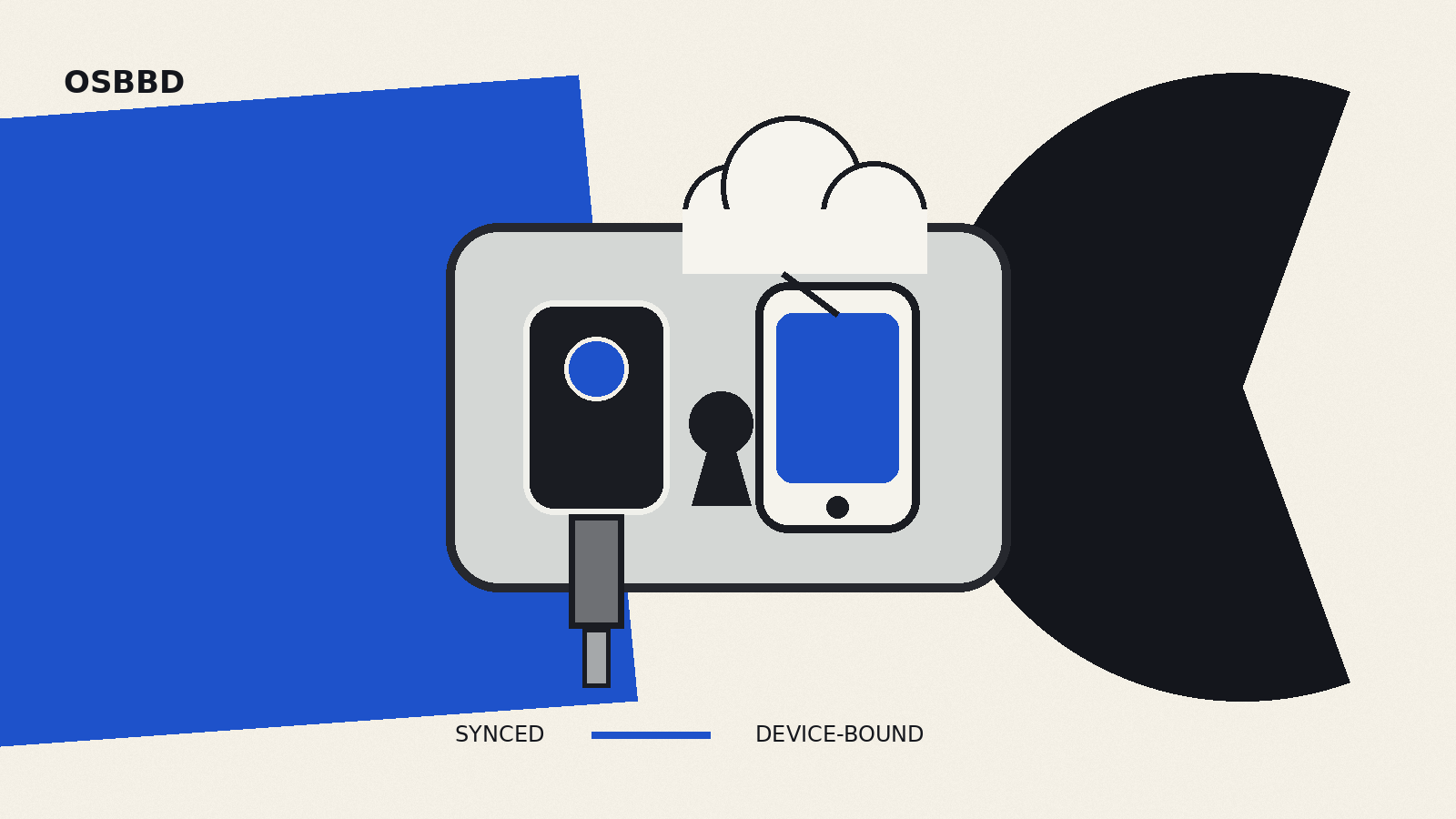
Synced vs Device-Bound Passkeys: What Changes
How synced and device-bound passkeys differ when devices are lost, replaced or shared.
Bitcoin Confirmations: What 1, 3 and 6 Blocks Mean
What Bitcoin confirmations count, why reorgs matter and why six blocks are a convention—not a guarantee.
Certificate Transparency Logs: What They Reveal
Certificate Transparency makes publicly trusted TLS certificates auditable, but it does not stop misissuance on its own.
Card Authorization Holds: Why Pending Charges Change
Why a pending card amount can change, disappear or become a different final charge.
Software Bill of Materials: What an SBOM Proves
An SBOM maps software components. Here is what it can support—and what it cannot prove.
Windows 10 ESU After October 2026: What Changes
Consumer Windows 10 ESU now runs to October 2027, while commercial coverage moves into Year 2. Here is what changes.
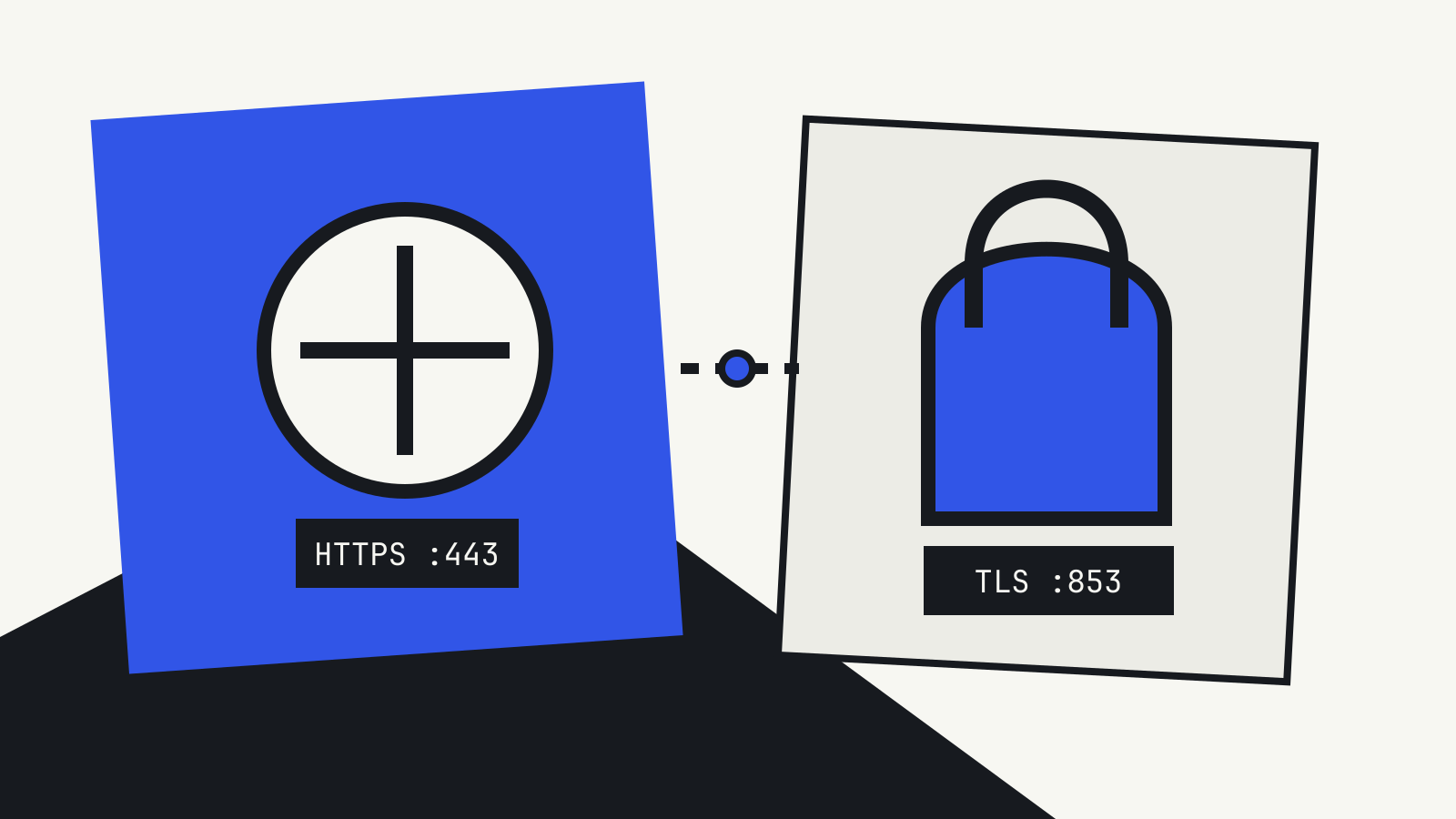
DNS over HTTPS vs DNS over TLS: What Changes?
DoH and DoT both encrypt DNS. They differ in transport, visibility, policy control and fallback behavior.

Open-Weight Model Licenses: What Free to Use Allows
Downloadable weights can carry conditions for commercial use, redistribution and hosted products.

Does a Bitcoin Fee Depend on the Amount Sent?
Bitcoin fees follow virtual size and fee rate, not the amount sent. See how inputs, outputs and urgency change cost.

SEPA Instant Payments: 10 Seconds, Same Price, Name Check
Euro transfers that land in seconds, cost no more than standard ones and come with a payee name check.
Secure Boot: What It Checks Before Windows Starts
Secure Boot checks signed startup software before Windows loads. Here is what it blocks, trusts and cannot do.
End of Life Software: What Changes When Updates Stop
The program keeps running, but security fixes stop. What end of support means and how to find what you run.
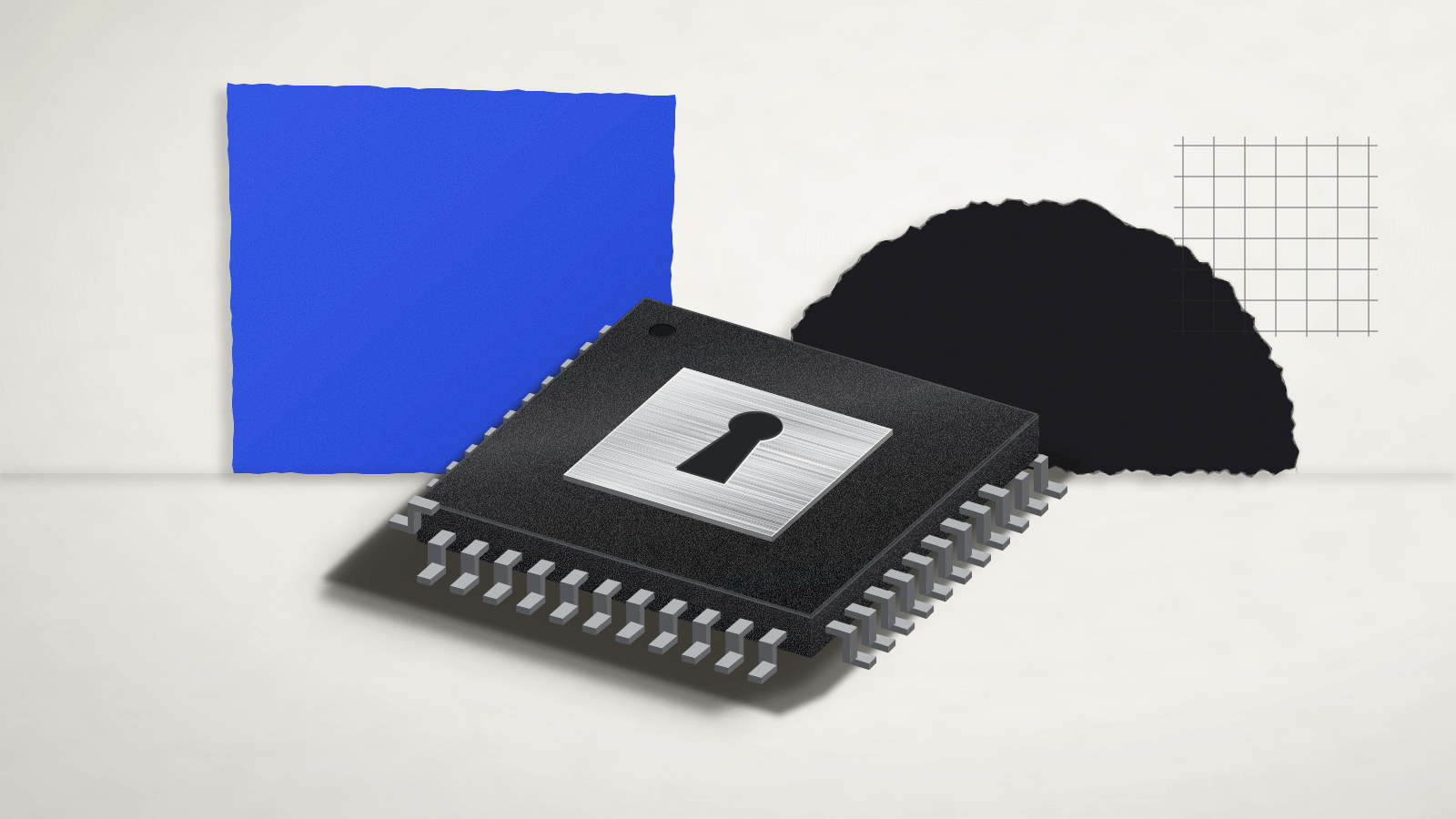
Trusted Platform Module: What the TPM in Your PC Does
A TPM holds keys and records how a PC started. It does not encrypt files or stop malware on its own.

Reproducible Builds: Does This Download Match the Source?
Matching build artifacts answers a narrower question than whether software is safe. Here is how to read the evidence.

Bitcoin Replace-by-Fee: How a Fee Bump Works
RBF replaces a pending transaction. Node policy, wallet support and confirmation are three separate questions.

SEPA Direct Debit: Core and B2B Refund Rules
A signed mandate lets a biller collect payment. Core and B2B schemes give the payer different refund rights.

Local Model Chat Templates: Roles, Tokens and Turns
The same conversation can require different token formats. Read the model's chat template before changing its prompt.
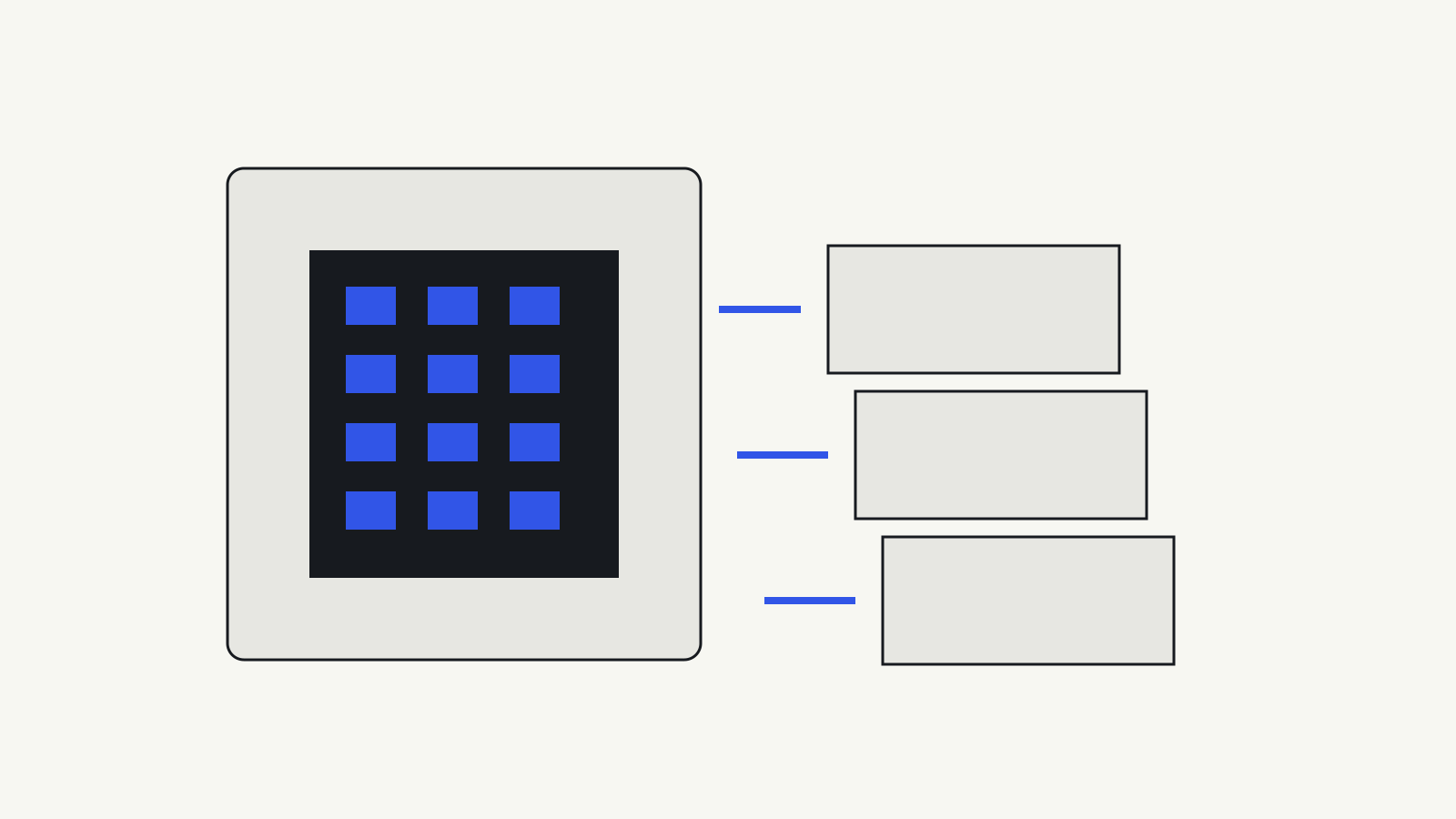
KV Cache Memory: Why a Loaded Model Can Still Run Out
Model weights are only part of the memory budget. Longer sequences can add a substantial KV cache.

GGUF files explained: choosing a local model download
How to choose a GGUF download and check its encoding, companions, license and memory requirements.

Why Repairability Matters for the Devices You Buy
A replaceable battery helps only if parts, instructions and the software needed for repair remain available.

How to Compare AI Coding Assistants on Your Project
Use the same small tasks and review the resulting changes, test evidence and cleanup effort.

What Proof of Reserves Can and Cannot Tell You
Proof of reserves shows assets at one moment, not liabilities or borrowed coins. What the PCAOB and SEC say.