
Explainers: Bitcoin
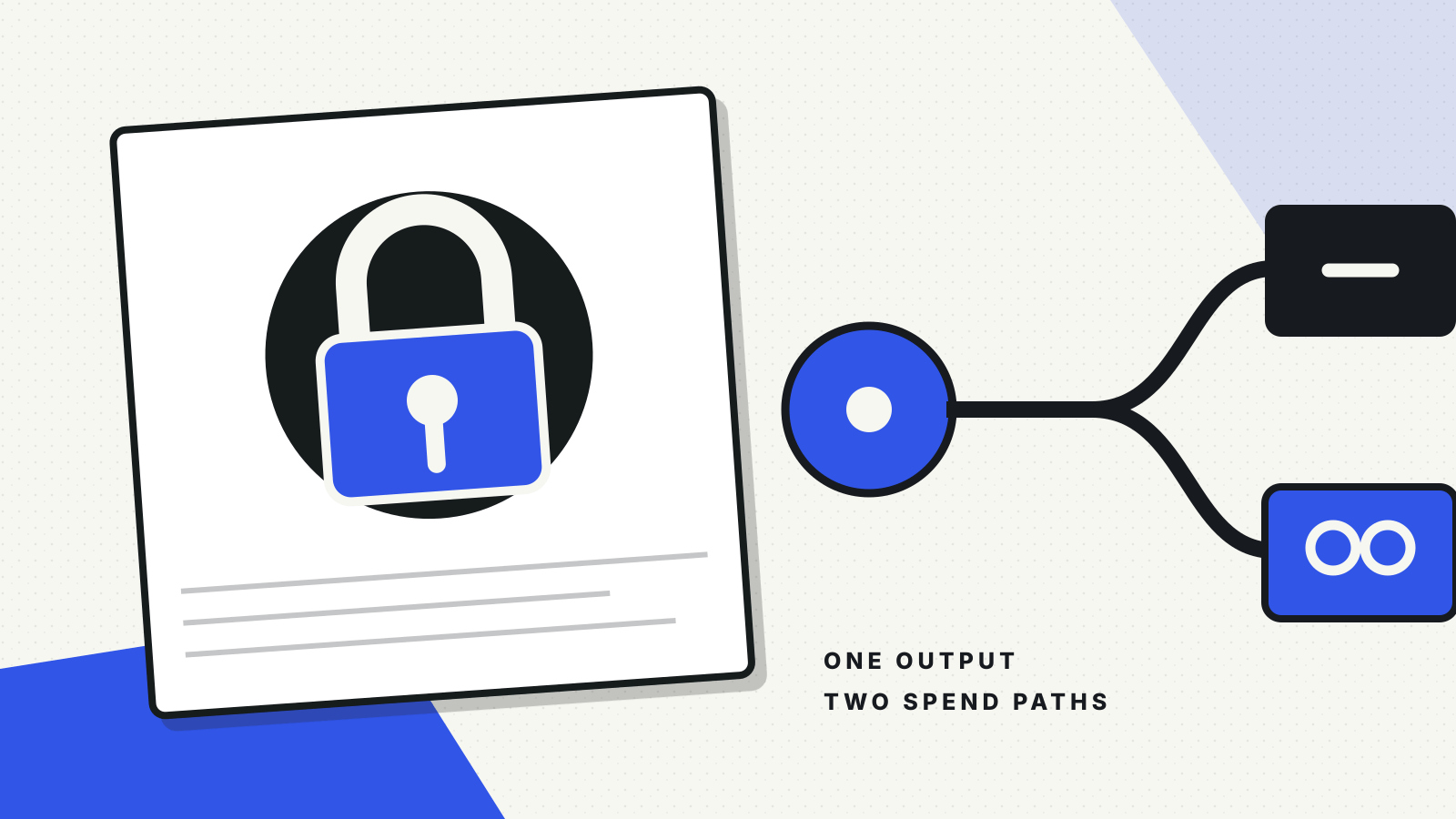
Taproot Key Path vs Script Path: What a Spend Reveals
See what Taproot key-path and script-path spends reveal, how their witnesses differ and why key path is usually smaller.
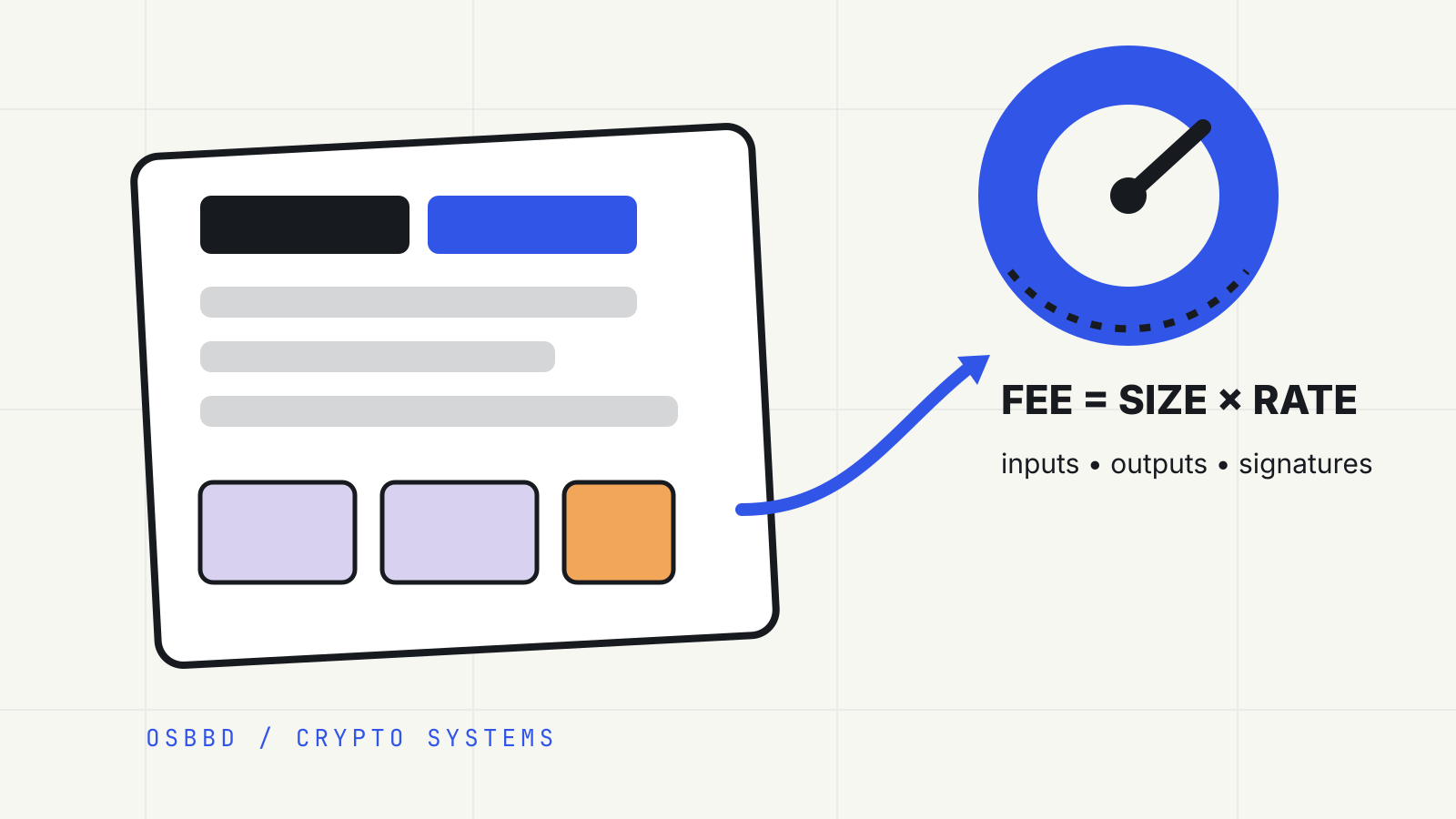
Does the Bitcoin Fee Depend on the Amount?
Bitcoin fees follow transaction size and fee rate. See why a small payment can cost more than a large one.
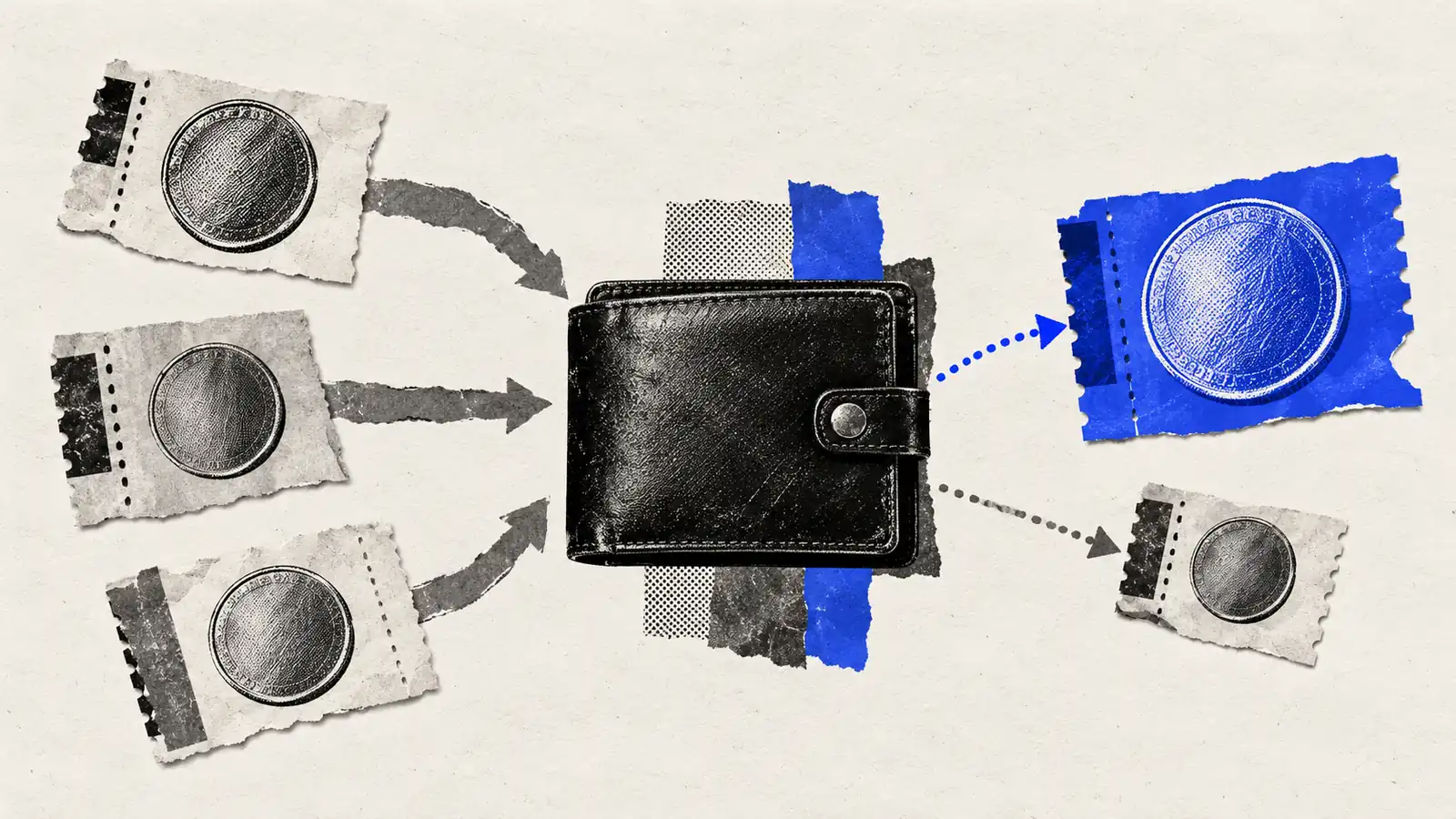
Bitcoin UTXOs Explained: Inputs, Outputs and Change
A Bitcoin balance is a set of unspent outputs. Learn how a wallet selects them, creates change and affects future fees.
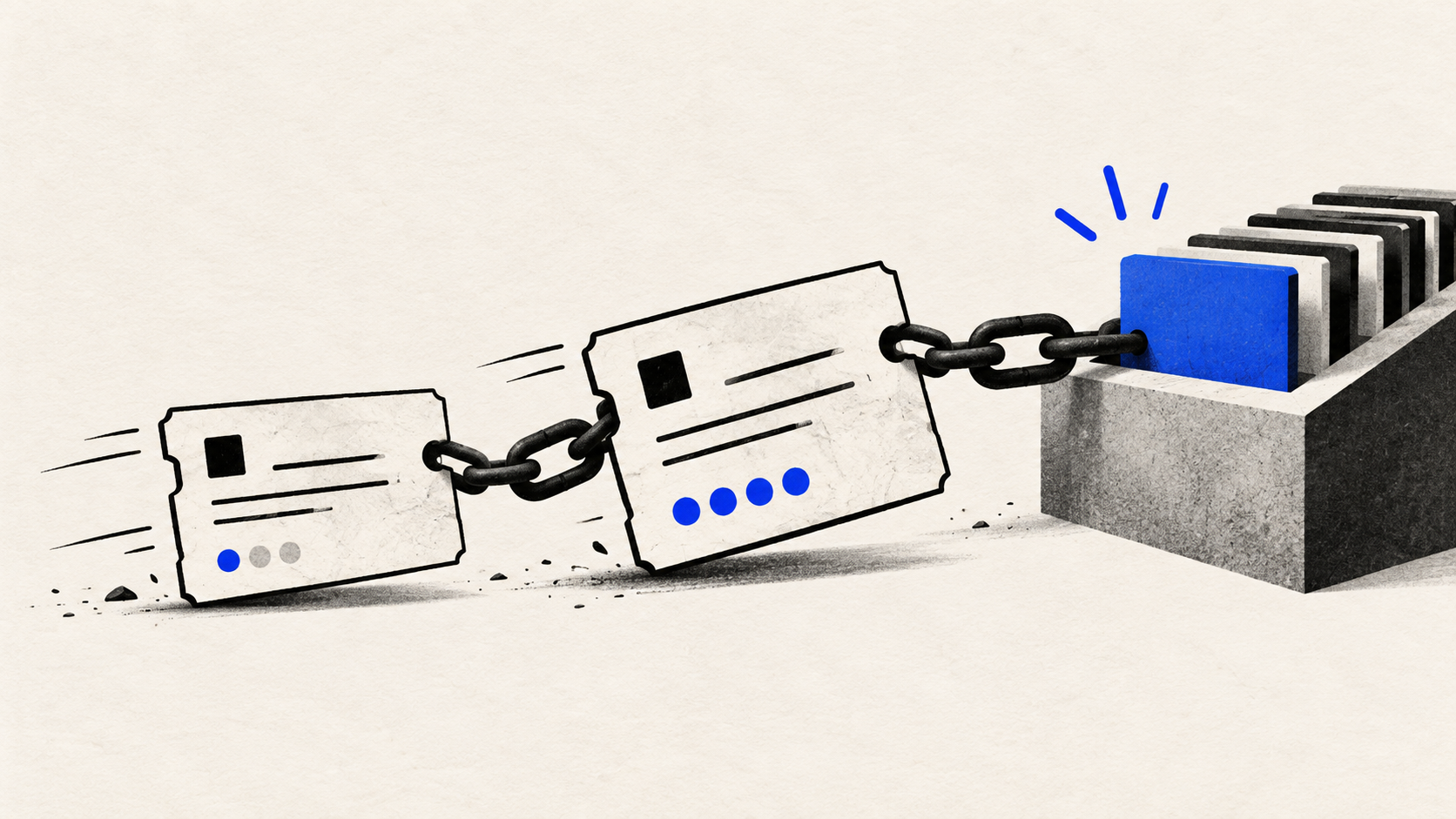
Bitcoin Child Pays for Parent (CPFP): How the Fee Bump Works
A CPFP child transaction can raise a parent's combined fee rate. See who can use it, the limits and wallet checks.

Bitcoin Block Weight vs Block Size: What the Numbers Mean
Block weight is Bitcoin’s consensus limit; raw bytes and virtual size describe related but different measurements.
Bitcoin Address Types: Legacy to Taproot
Bitcoin address types identify Legacy, wrapped SegWit, Native SegWit and Taproot destinations.

Bitcoin Confirmations: What 1, 3 and 6 Blocks Mean
What Bitcoin confirmations count, why reorgs matter and why six blocks are a convention—not a guarantee.

Does a Bitcoin Fee Depend on the Amount Sent?
Bitcoin fees follow virtual size and fee rate, not the amount sent. See how inputs, outputs and urgency change cost.

Bitcoin Replace-by-Fee: How a Fee Bump Works
RBF replaces a pending transaction. Node policy, wallet support and confirmation are three separate questions.