

Latest

Taproot Key Path vs Script Path: What a Spend Reveals
See what Taproot key-path and script-path spends reveal, how their witnesses differ and why key path is usually smaller.

Payment Tokenization: How Network Tokens Replace PANs
Network tokens replace PANs with restricted payment credentials that can reach issuer authorization.
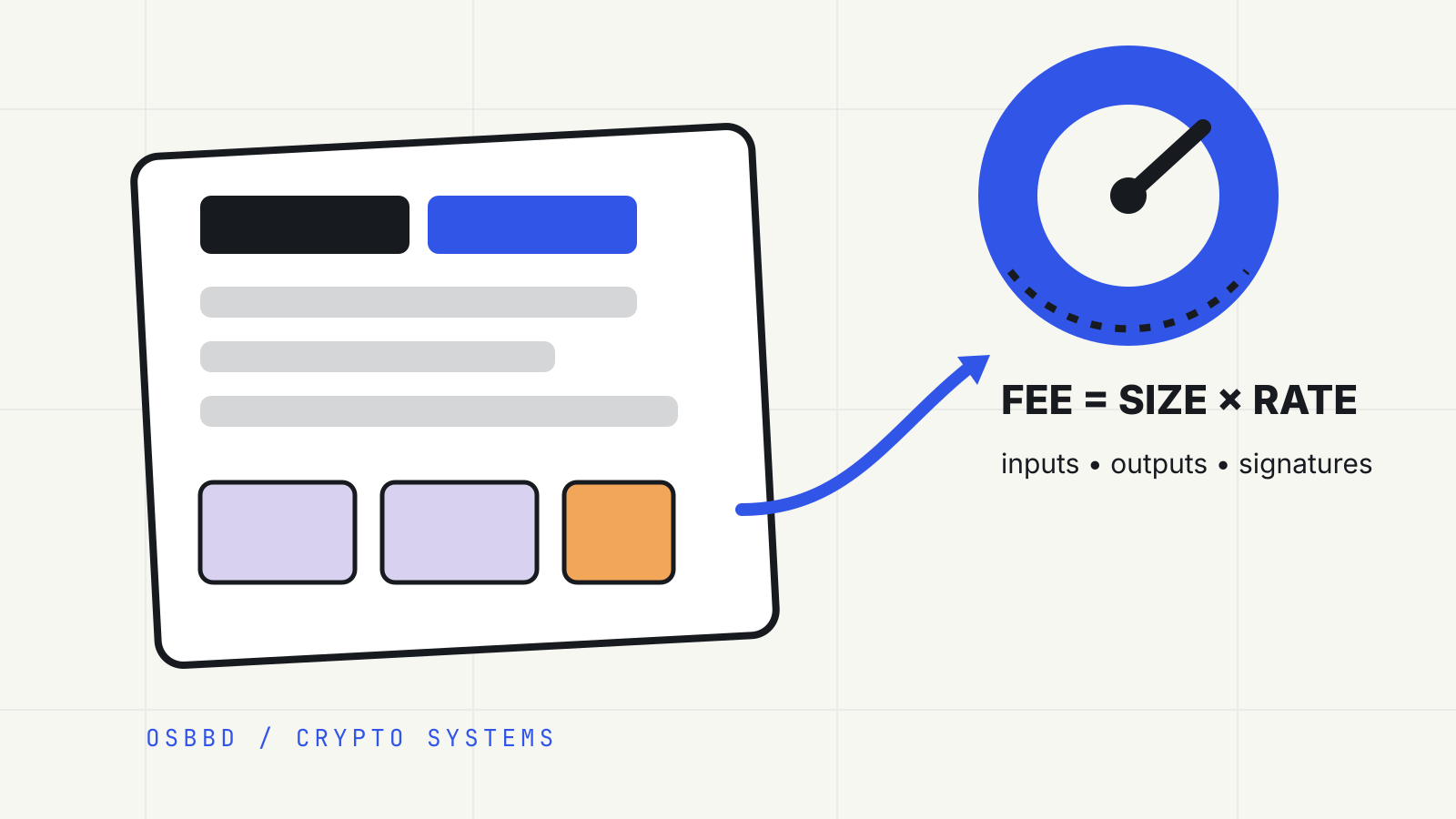
Does the Bitcoin Fee Depend on the Amount?
Bitcoin fees follow transaction size and fee rate. See why a small payment can cost more than a large one.
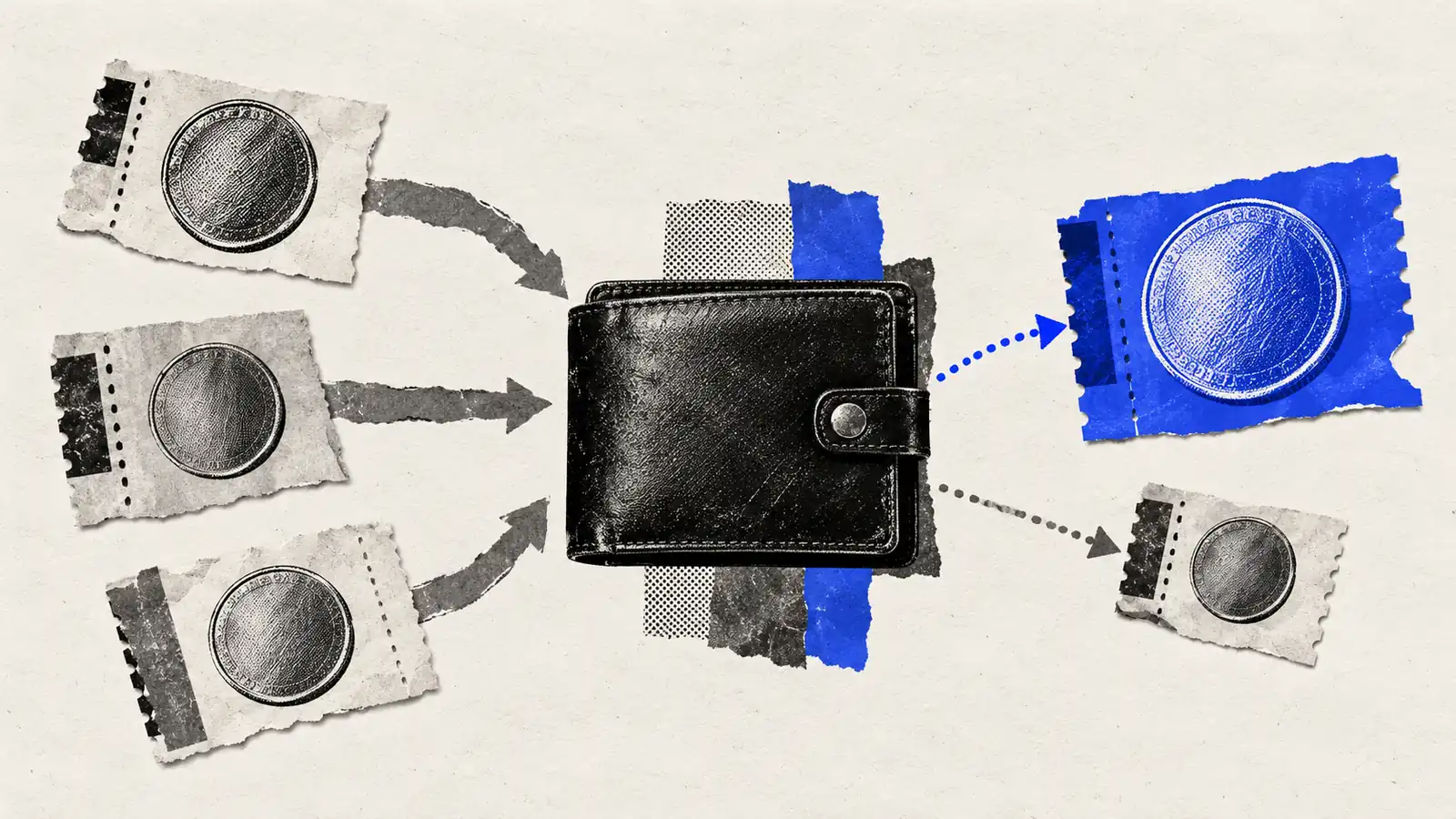
Bitcoin UTXOs Explained: Inputs, Outputs and Change
A Bitcoin balance is a set of unspent outputs. Learn how a wallet selects them, creates change and affects future fees.

EMV 3-D Secure: Frictionless vs Challenge Flow
How EMV 3-D Secure decides between a silent risk check and a cardholder challenge, and what merchants must measure.
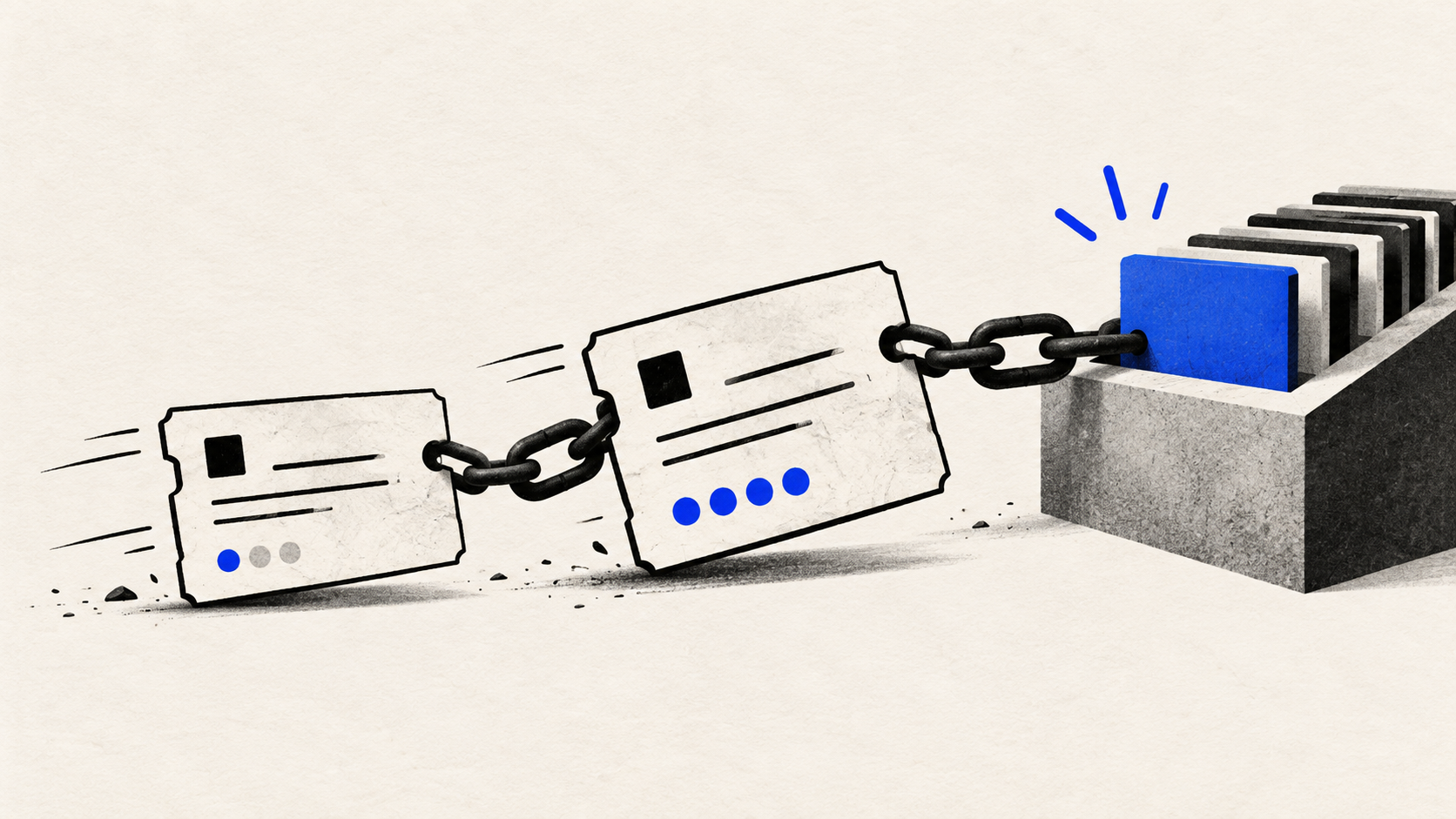
Bitcoin Child Pays for Parent (CPFP): How the Fee Bump Works
A CPFP child transaction can raise a parent's combined fee rate. See who can use it, the limits and wallet checks.

FedNow Request for Payment: What Happens Before the Transfer
A FedNow payment request asks for approval. Money moves only after a separate instant credit transfer.

Bitcoin Block Weight vs Block Size: What the Numbers Mean
Block weight is Bitcoin’s consensus limit; raw bytes and virtual size describe related but different measurements.
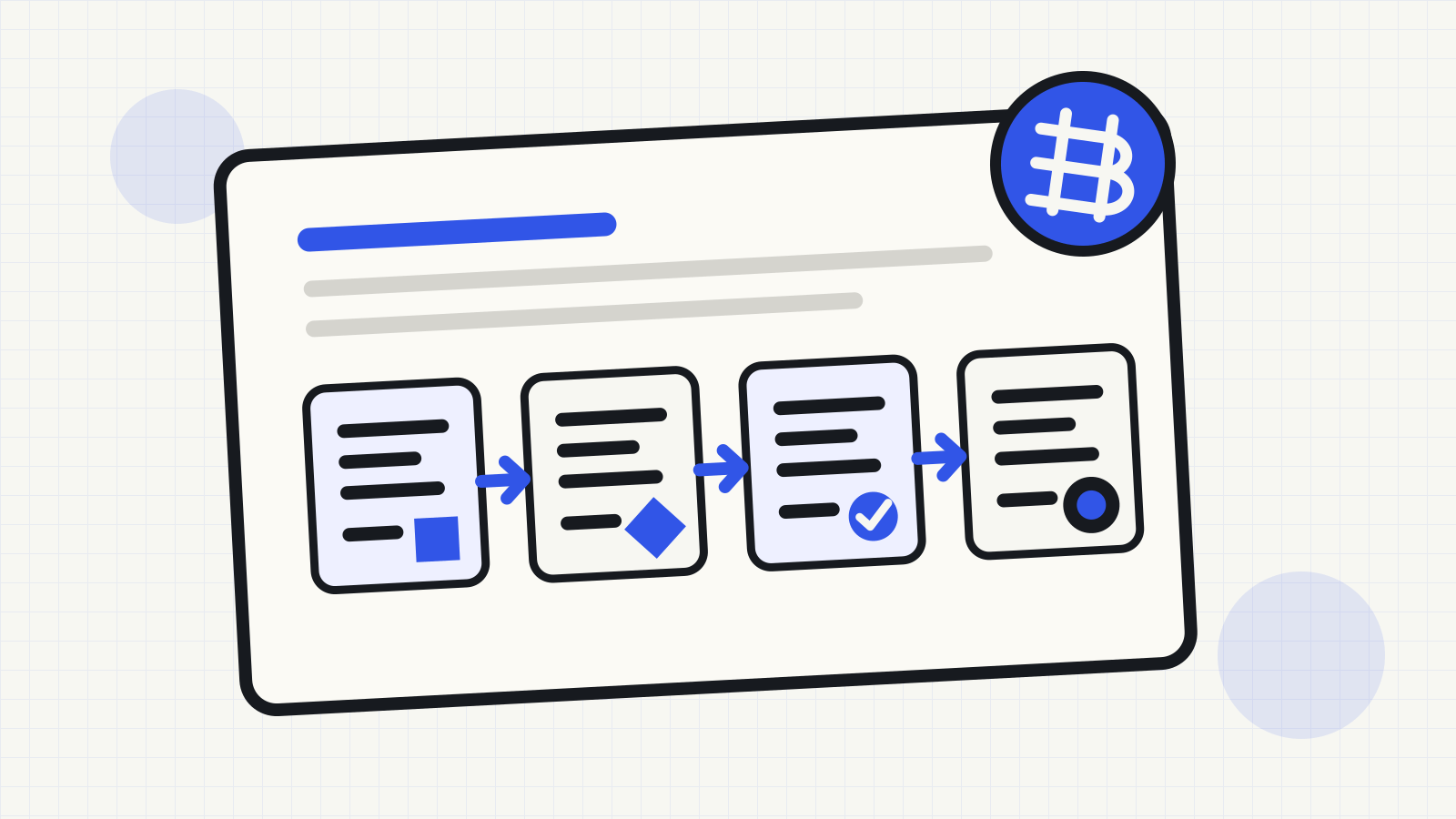
Bitcoin Address Types: Legacy to Taproot
Bitcoin address types identify Legacy, wrapped SegWit, Native SegWit and Taproot destinations.
ISO 20022 Payment Messages: What the Standard Changes
ISO 20022 structures payment data, but it does not move money or make transfers instant.

Bitcoin Confirmations: What 1, 3 and 6 Blocks Mean
What Bitcoin confirmations count, why reorgs matter and why six blocks are a convention—not a guarantee.

Card Authorization Holds: Why Pending Charges Change
Why a pending card amount can change, disappear or become a different final charge.

Does a Bitcoin Fee Depend on the Amount Sent?
Bitcoin fees follow virtual size and fee rate, not the amount sent. See how inputs, outputs and urgency change cost.

SEPA Instant Payments: 10 Seconds, Same Price, Name Check
Euro transfers that land in seconds, cost no more than standard ones and come with a payee name check.

Bitcoin Replace-by-Fee: How a Fee Bump Works
RBF replaces a pending transaction. Node policy, wallet support and confirmation are three separate questions.

SEPA Direct Debit: Core and B2B Refund Rules
A signed mandate lets a biller collect payment. Core and B2B schemes give the payer different refund rights.

CoinMarketCap Acquires Derivatives Data Firm CoinGlass
The companies say CoinGlass will retain its brand, team and existing web, app and API access.

Tezos Introduces Quantumnet, a Post-Quantum Testnet
The experimental network tests post-quantum approaches across account signatures, consensus and data availability.

Federal Reserve Seeks Comment on Stablecoin Rules
Two proposals address reserve and risk requirements and an approval process for covered payment-stablecoin issuers.
Reap and Visa Plan Wider Stablecoin Card Programs
The expansion targets card infrastructure across more than 100 markets, subject to local requirements.
What Proof of Reserves Can and Cannot Tell You
Proof of reserves shows assets at one moment, not liabilities or borrowed coins. What the PCAOB and SEC say.
Settlement Pending: Why an Approved Payment Can Still Take Days
Settlement pending means approved but not yet cleared: how long cards and bank transfers can take.
Token Approval Checker: How to Check and Revoke Approvals
Use a token approval checker to see which contracts can spend your tokens, then revoke the ones you no longer need.
Open Banking: What You Share When You Connect an Account
Read the requested accounts, data, duration and payment permissions before approving a connection.