
Latest
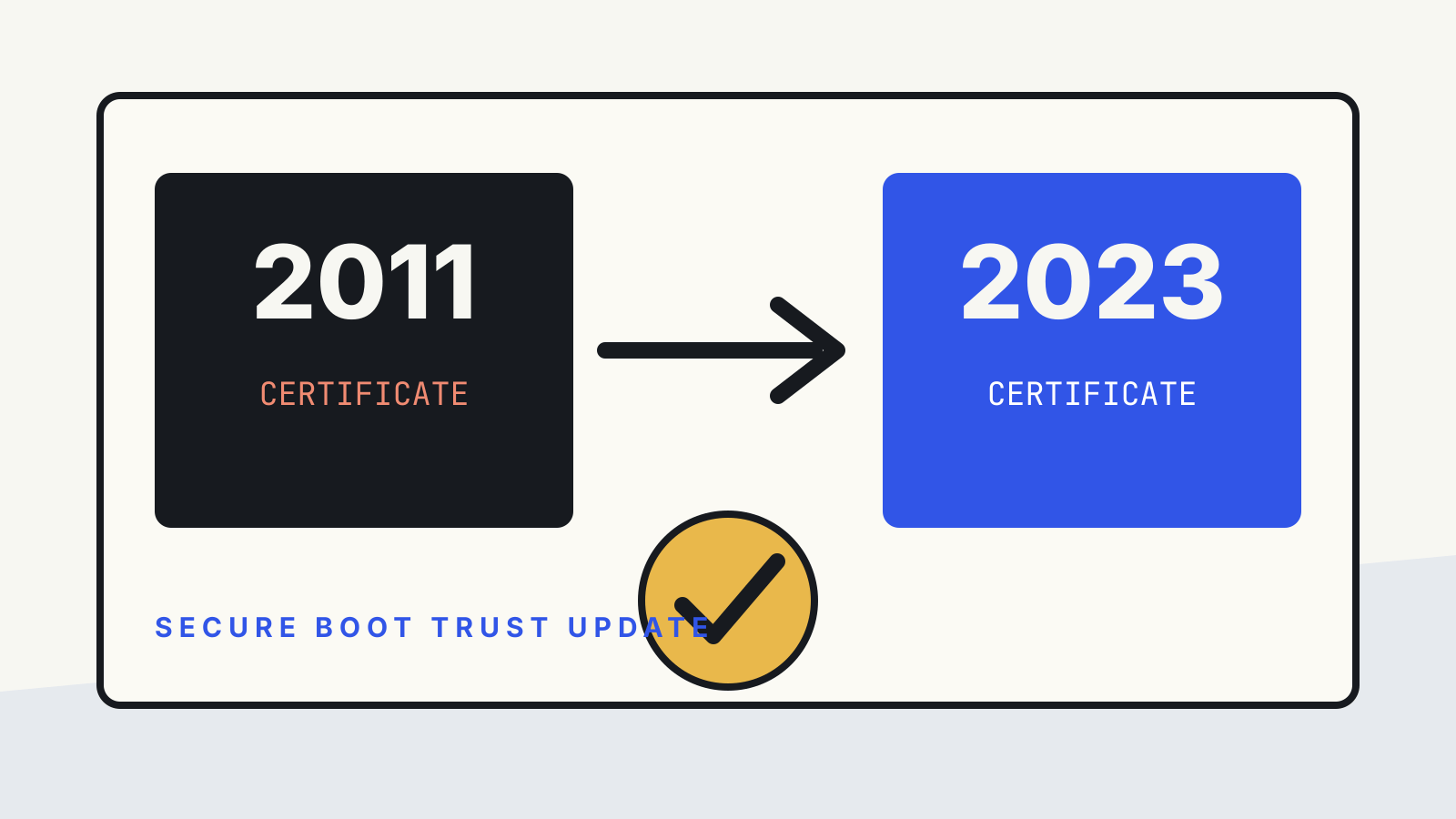
Secure Boot Certificates 2023: After the 2011 Expiry
What the 2023 Secure Boot certificate transition changes, how to find incomplete devices, and how to pilot remediation.
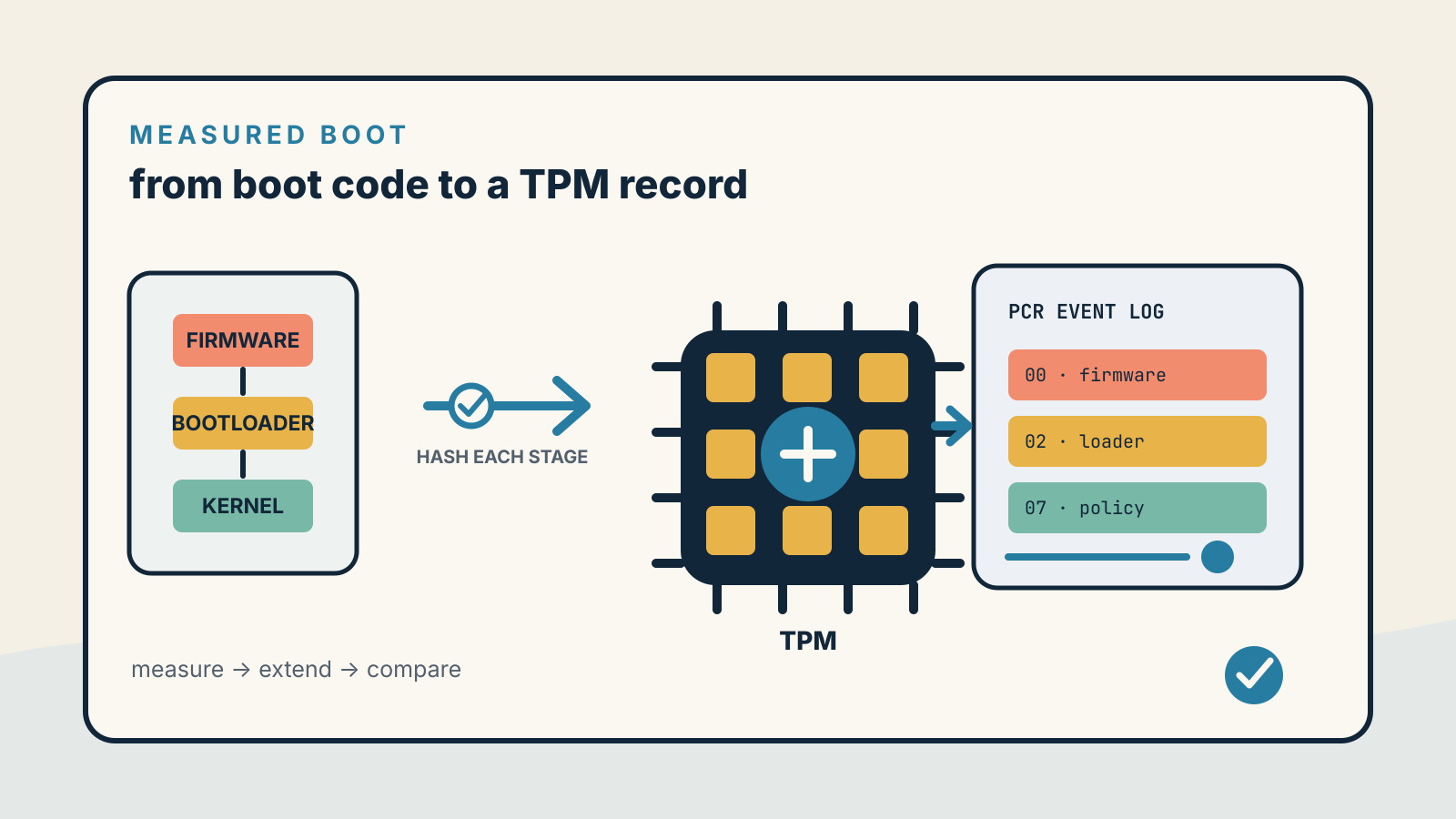
Measured Boot Explained: What the TPM Records
How Measured Boot extends startup hashes into TPM PCRs, uses an event log and supports remote attestation.
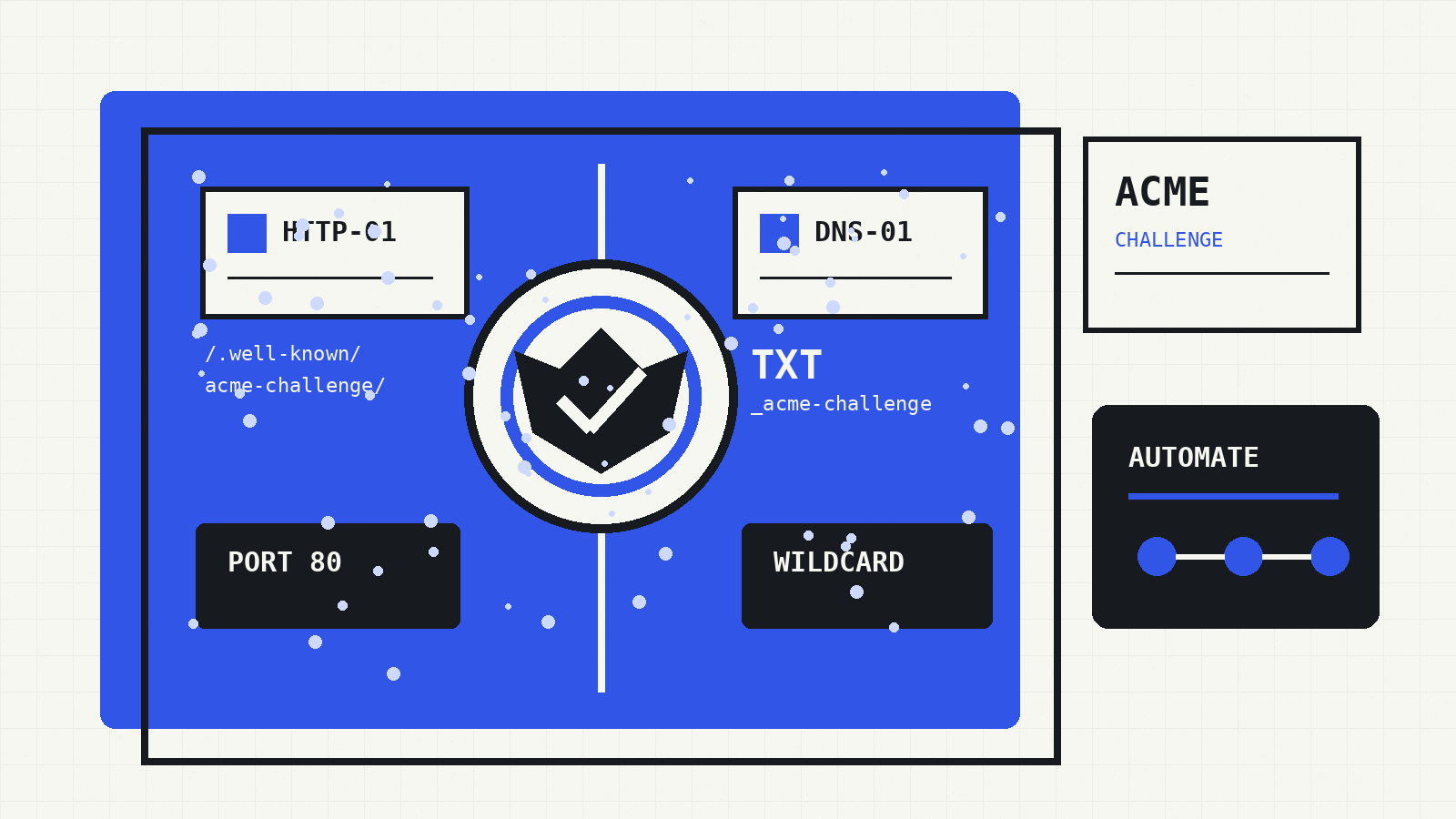
ACME DNS-01 vs HTTP-01: Choosing a Challenge
How ACME HTTP-01 and DNS-01 prove domain control, when wildcards require DNS, and where automation can fail.
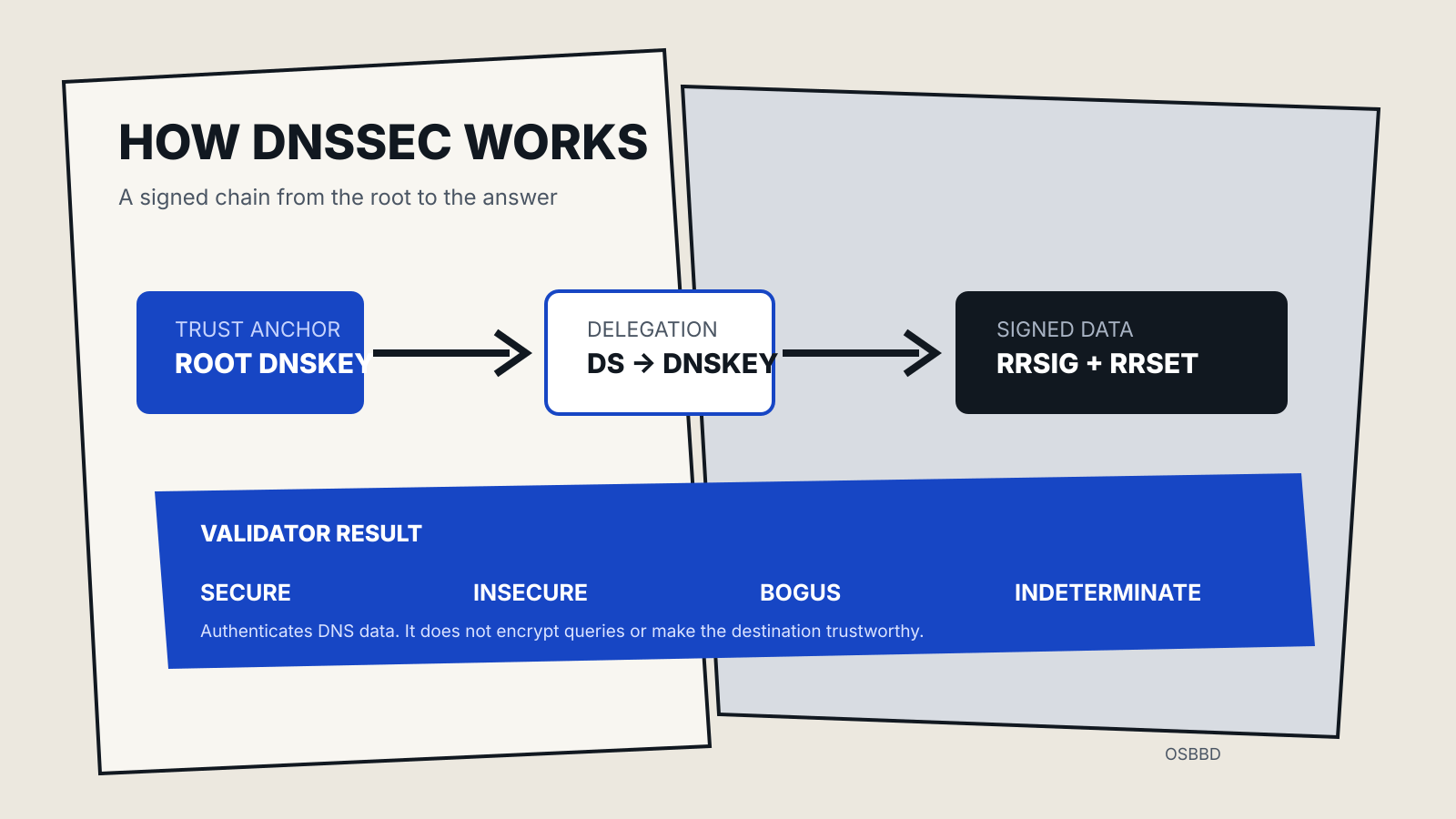
How DNSSEC Works: Signatures, Trust and Limits
How DNSSEC authenticates DNS answers through signatures, DS records and a chain of trust—and what it cannot protect.
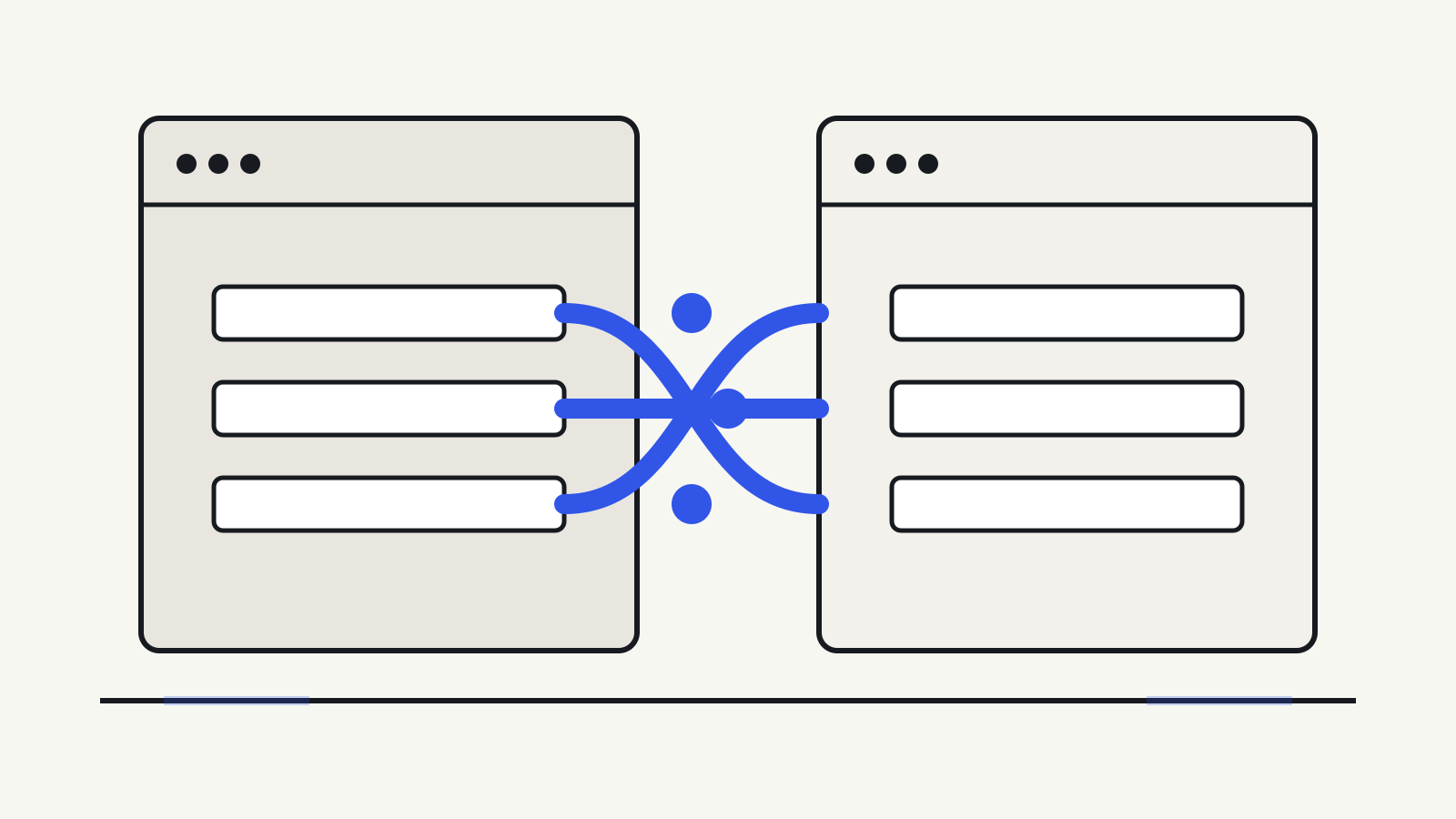
HTTP/3 vs HTTP/2: What QUIC Changes
HTTP/3 moves HTTP from TCP to QUIC. Compare setup, packet-loss behavior, migration and fallback.
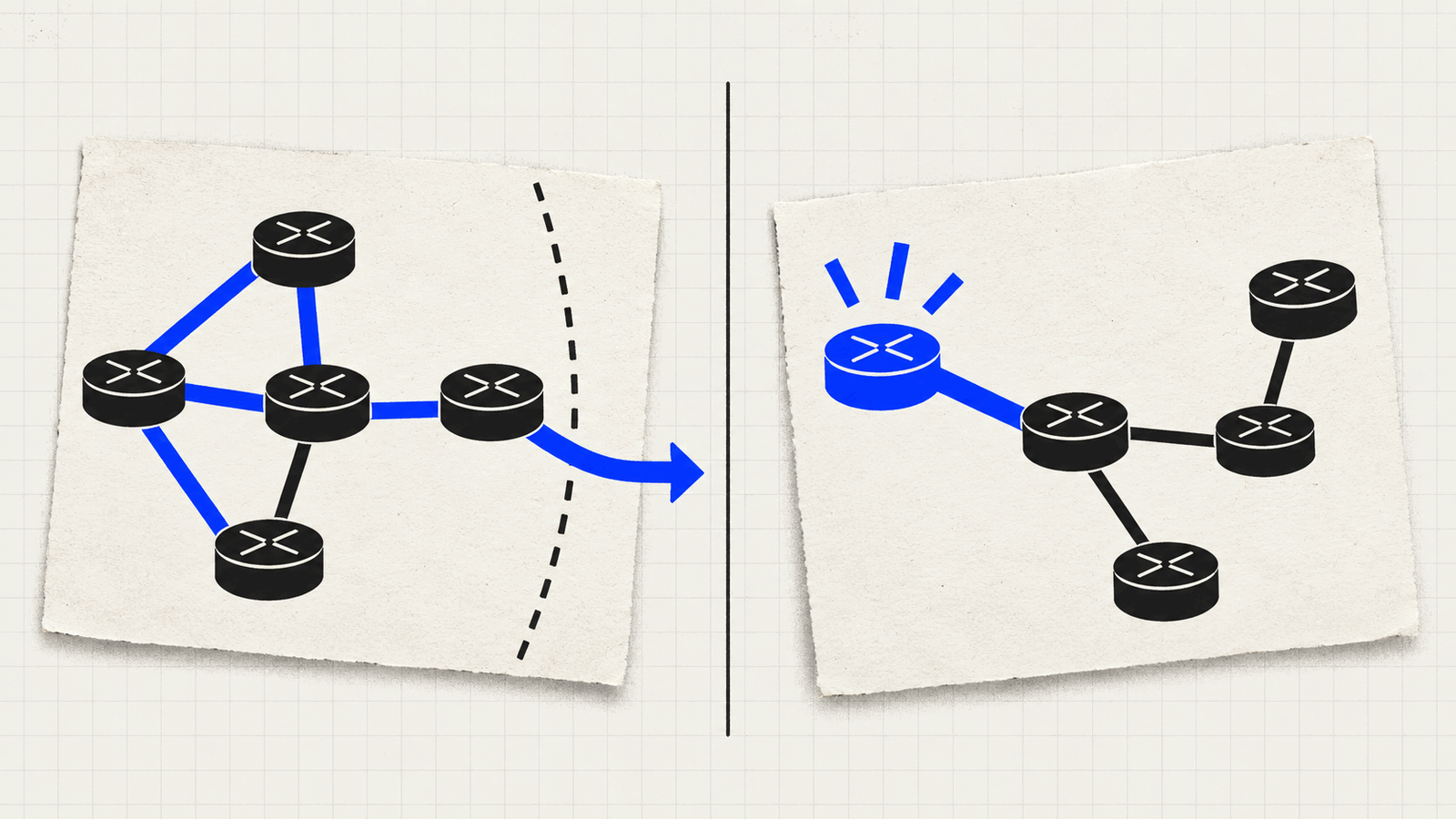
BGP Route Leaks vs Hijacks: What Actually Changed
The labels overlap. Diagnose the origin, AS path and export policy before choosing a fix.
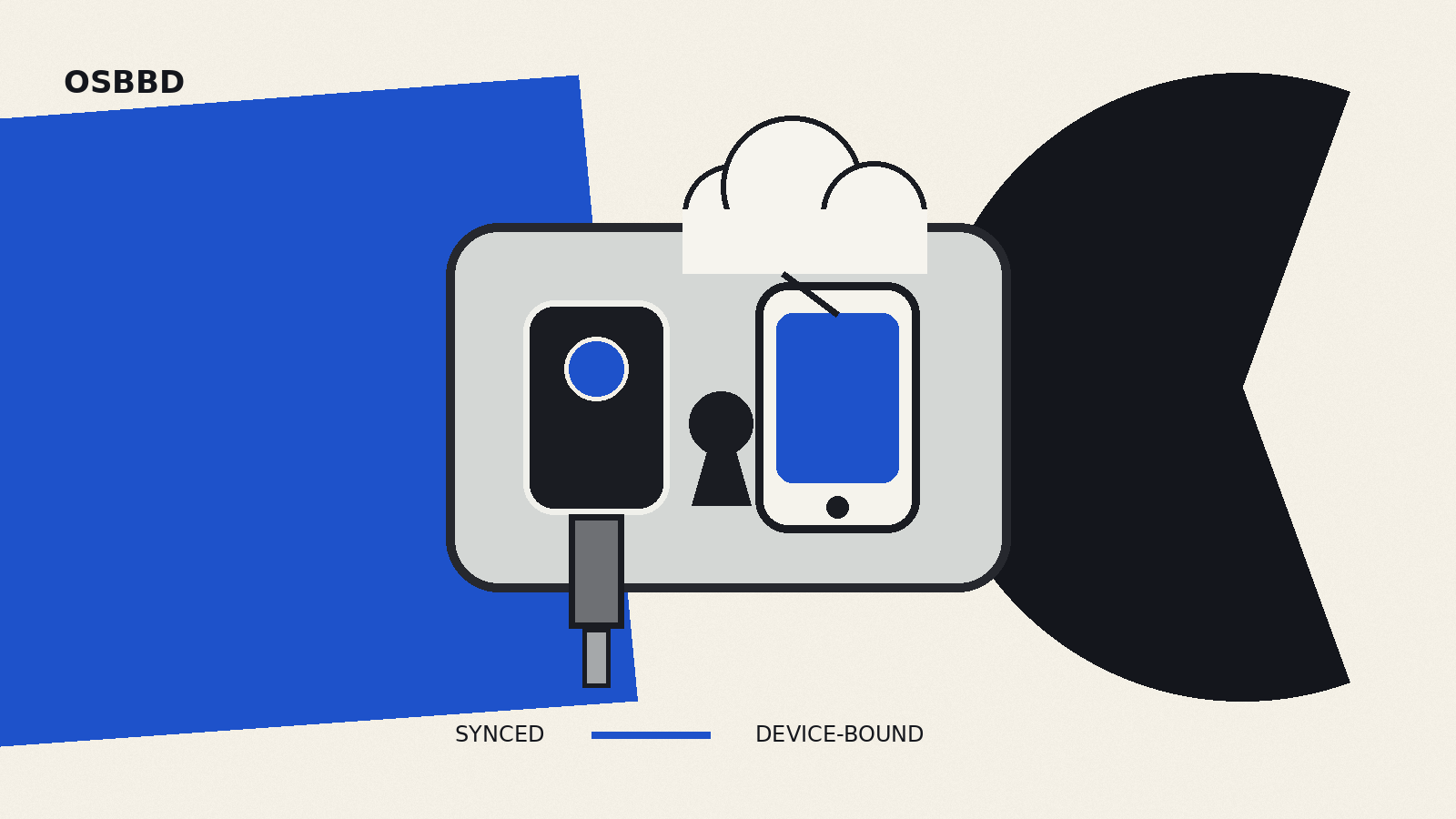
Synced vs Device-Bound Passkeys: What Changes
How synced and device-bound passkeys differ when devices are lost, replaced or shared.
Certificate Transparency Logs: What They Reveal
Certificate Transparency makes publicly trusted TLS certificates auditable, but it does not stop misissuance on its own.
Windows 10 ESU After October 2026: What Changes
Consumer Windows 10 ESU now runs to October 2027, while commercial coverage moves into Year 2. Here is what changes.
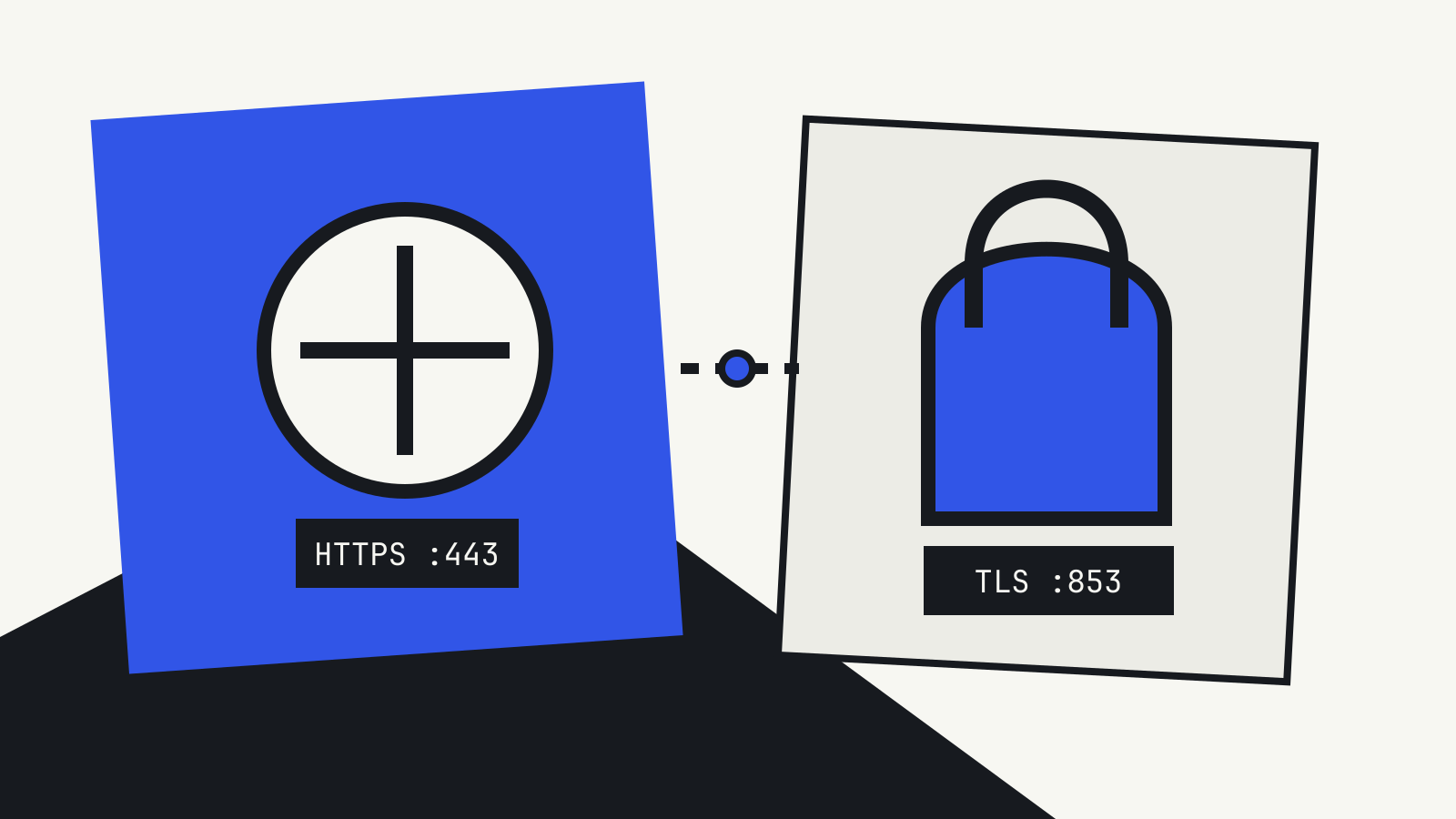
DNS over HTTPS vs DNS over TLS: What Changes?
DoH and DoT both encrypt DNS. They differ in transport, visibility, policy control and fallback behavior.
Secure Boot: What It Checks Before Windows Starts
Secure Boot checks signed startup software before Windows loads. Here is what it blocks, trusts and cannot do.
Trusted Platform Module: What the TPM in Your PC Does
A TPM holds keys and records how a PC started. It does not encrypt files or stop malware on its own.
Google Details Its Internal PageBreak Security Agent
Google describes an internal system that validates candidate vulnerabilities against running environments.
AWS Adds an Inference Gateway to SageMaker HyperPod
The EKS add-on routes model requests using workload signals such as queue length and cache utilization.

Why Repairability Matters for the Devices You Buy
A replaceable battery helps only if parts, instructions and the software needed for repair remain available.
What It Takes to Move Away From a Cloud Provider
Moving servers is only one step. Data, identity, managed services and recovery procedures must move too.
How a Software Dependency Becomes a Security Risk
Direct, transitive, build-time and system dependencies reach your code by different routes. How to list them all.
On-Device AI: What Runs on Your Phone and What Goes to the Cloud
What Apple, Google and Samsung phones keep on the device, what they send to servers, and how to check a feature.
What Happens When a Cloud Region Goes Offline?
Multiple servers are not enough if the application still depends on one region's data and services.
Why AI Data Centers Need More Than Powerful Chips
Power, cooling, networking and storage determine how much useful work a room of accelerators can deliver.
AWS and Oracle make managed interconnect available
The general release starts in Northern Virginia, following a public preview in May.
Google's GKE Agent Sandbox reaches general availability
Warm pools and snapshots aim to reduce the cost and delay of running short-lived AI jobs.
NVIDIA releases Dynamo 1.0 for AI inference
The open-source release coordinates GPU memory and requests across inference clusters.