
Crypto
Wallets, blockchains, stablecoins and digital-asset infrastructure.
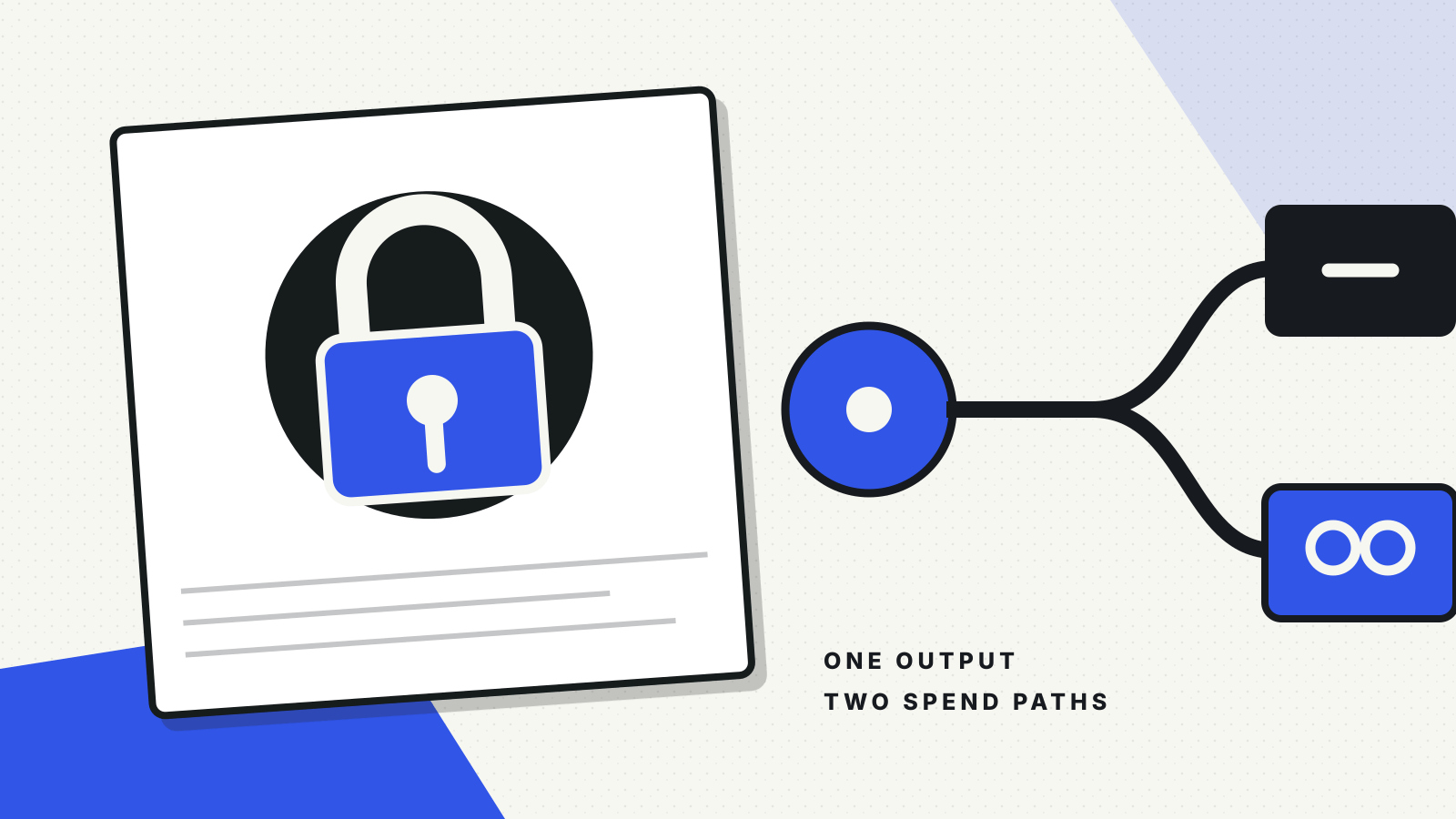
Taproot Key Path vs Script Path: What a Spend Reveals
See what Taproot key-path and script-path spends reveal, how their witnesses differ and why key path is usually smaller.
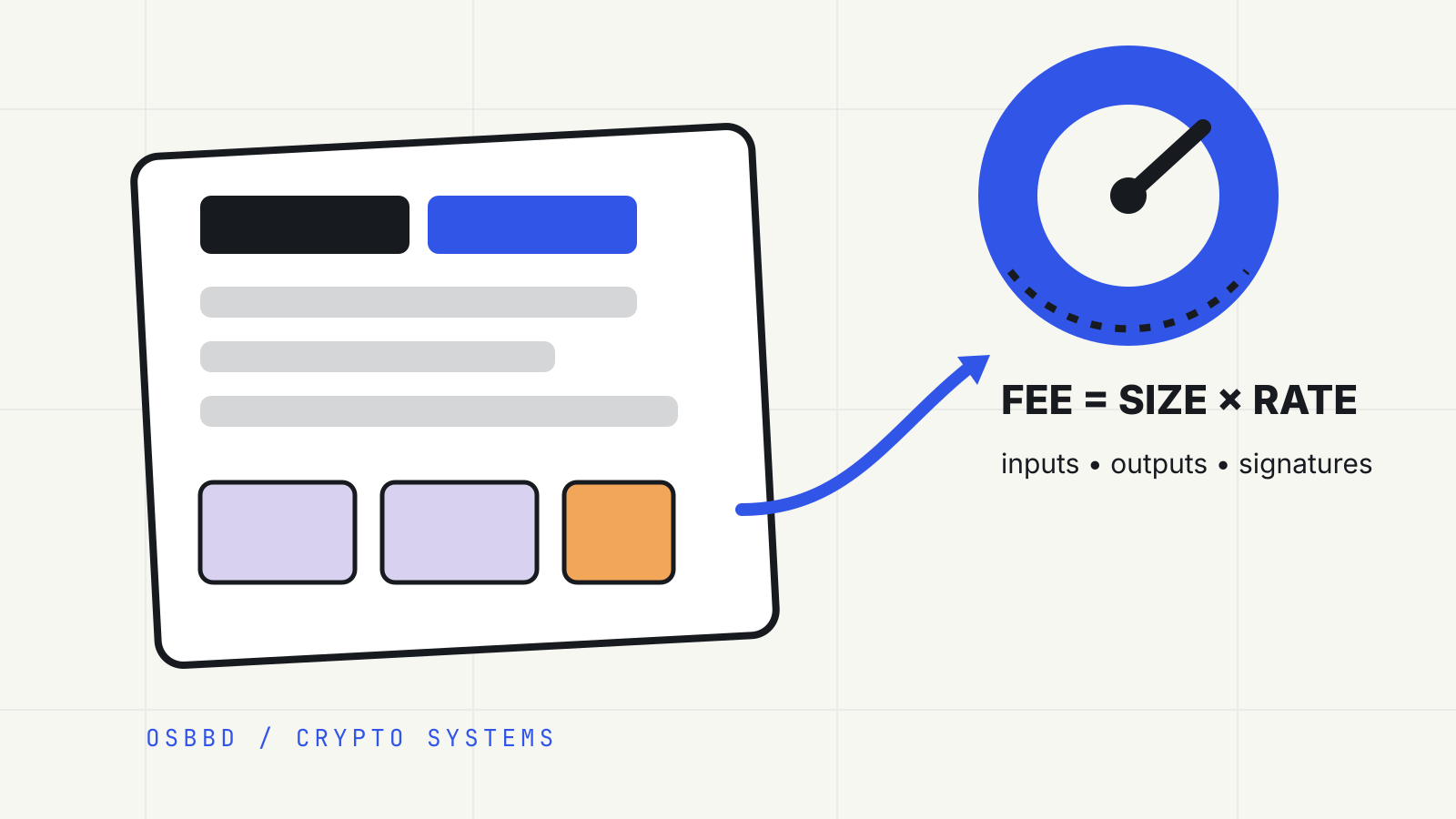
Does the Bitcoin Fee Depend on the Amount?
Bitcoin fees follow transaction size and fee rate. See why a small payment can cost more than a large one.
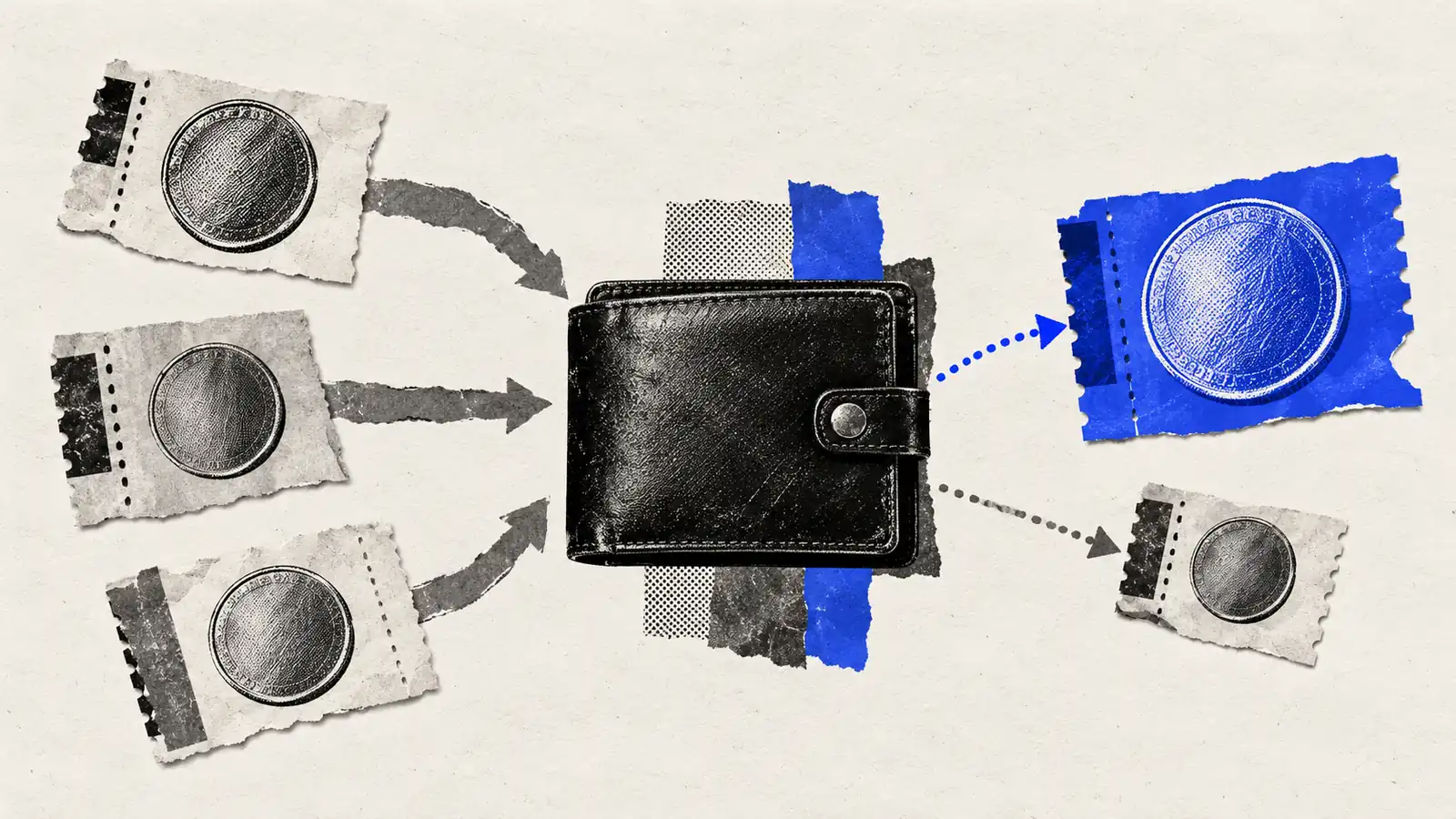
Bitcoin UTXOs Explained: Inputs, Outputs and Change
A Bitcoin balance is a set of unspent outputs. Learn how a wallet selects them, creates change and affects future fees.
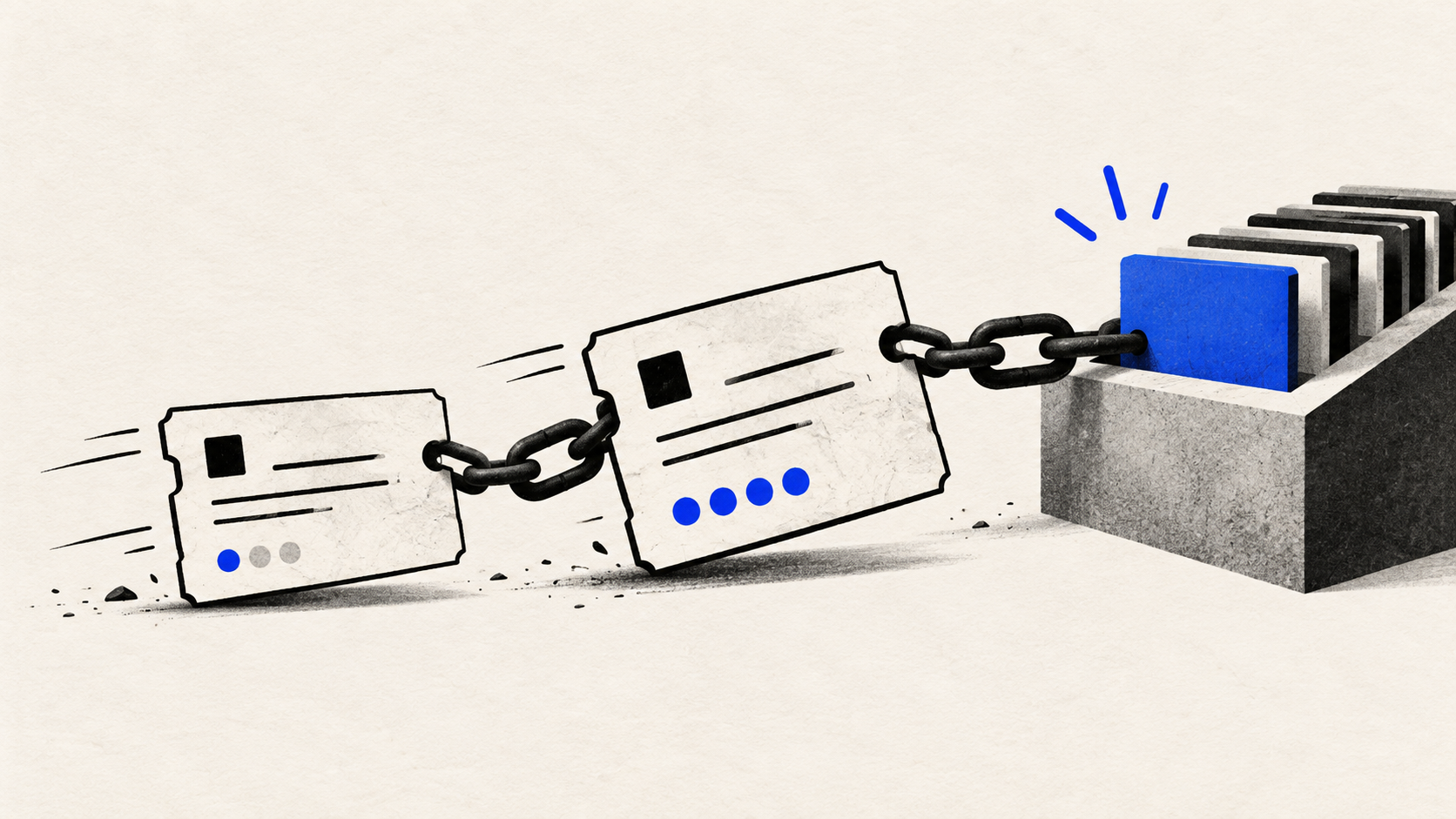
Bitcoin Child Pays for Parent (CPFP): How the Fee Bump Works
A CPFP child transaction can raise a parent's combined fee rate. See who can use it, the limits and wallet checks.

Bitcoin Block Weight vs Block Size: What the Numbers Mean
Block weight is Bitcoin’s consensus limit; raw bytes and virtual size describe related but different measurements.
Bitcoin Address Types: Legacy to Taproot
Bitcoin address types identify Legacy, wrapped SegWit, Native SegWit and Taproot destinations.
Bitcoin Confirmations: What 1, 3 and 6 Blocks Mean
What Bitcoin confirmations count, why reorgs matter and why six blocks are a convention—not a guarantee.

Does a Bitcoin Fee Depend on the Amount Sent?
Bitcoin fees follow virtual size and fee rate, not the amount sent. See how inputs, outputs and urgency change cost.

Bitcoin Replace-by-Fee: How a Fee Bump Works
RBF replaces a pending transaction. Node policy, wallet support and confirmation are three separate questions.

What Proof of Reserves Can and Cannot Tell You
Proof of reserves shows assets at one moment, not liabilities or borrowed coins. What the PCAOB and SEC say.

Token Approval Checker: How to Check and Revoke Approvals
Use a token approval checker to see which contracts can spend your tokens, then revoke the ones you no longer need.
What a Blockchain Bridge Actually Does
A bridge coordinates state across networks. The destination token may depend on a new set of contracts and operators.
Where Your Transaction Fee Goes
A network fee can pay for execution, reward a validator or be burned. Exchange withdrawal fees are separate.
Why Stablecoins Can Trade Below One Dollar
The target value, redemption terms and market price are different parts of a stablecoin's design.
What a Crypto Wallet Actually Stores
Coins stay on the network's ledger. A wallet manages the credentials and tools used to control them.